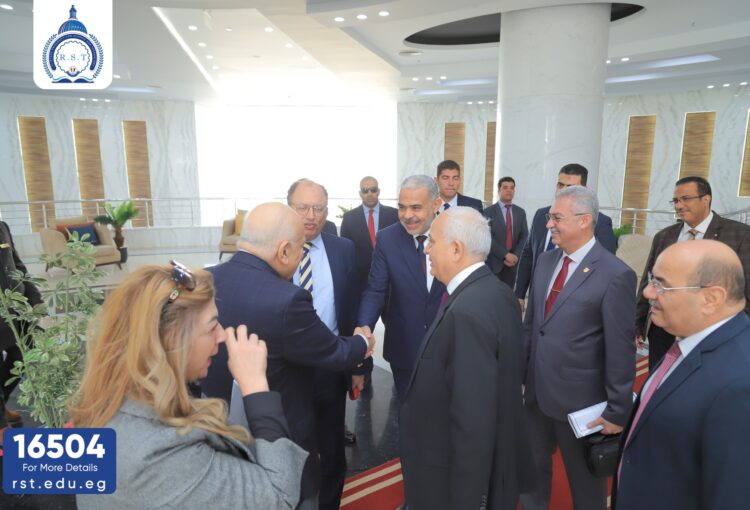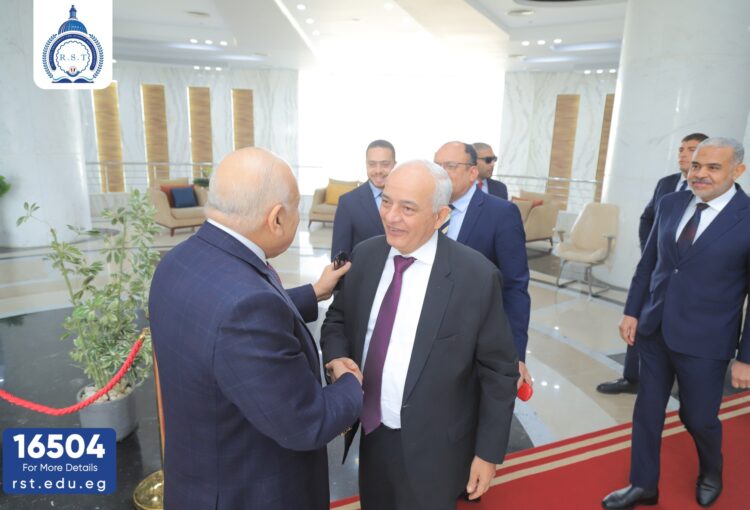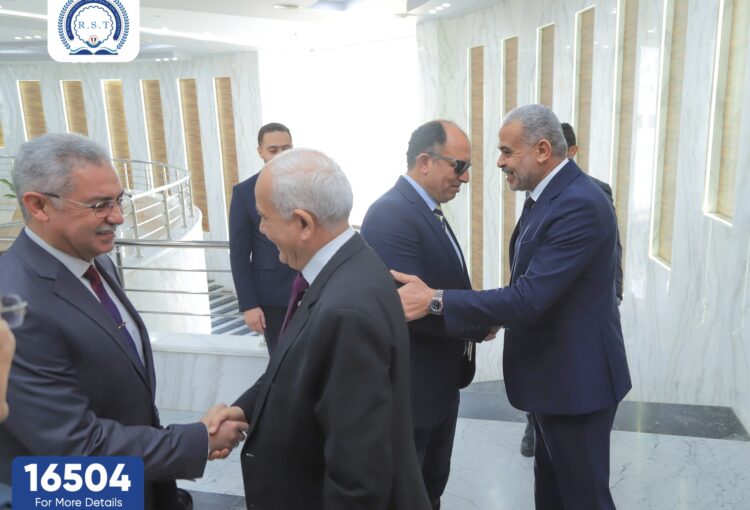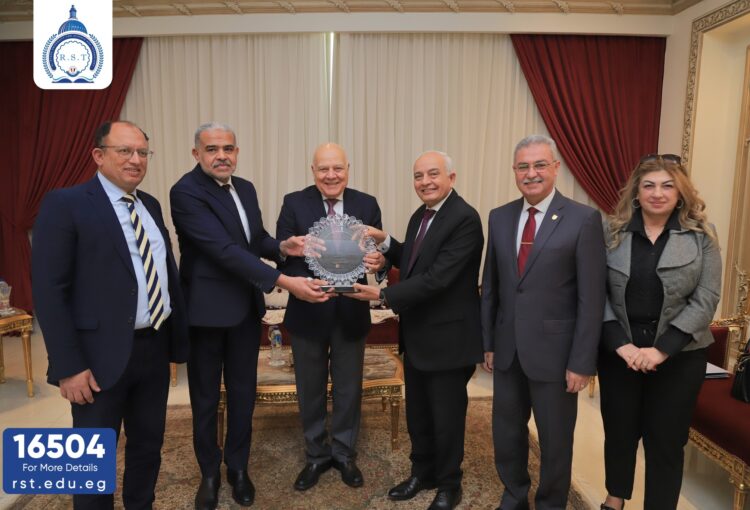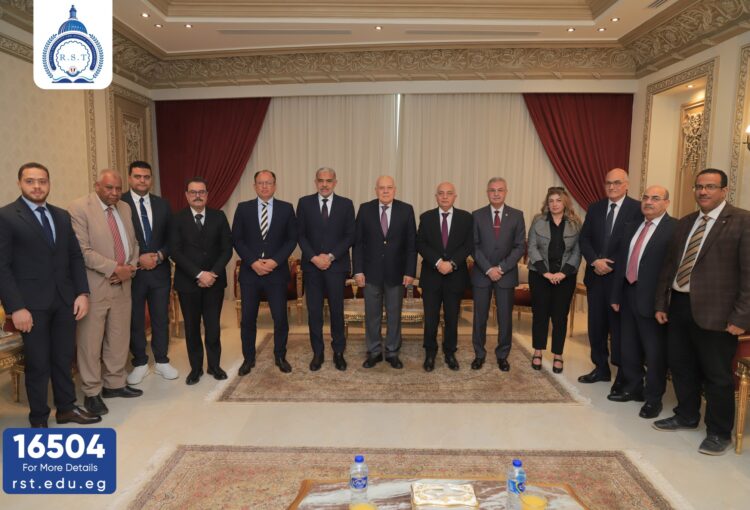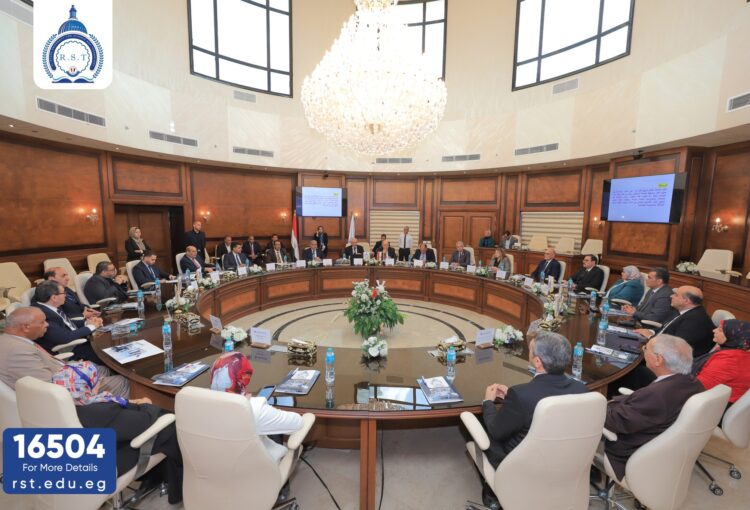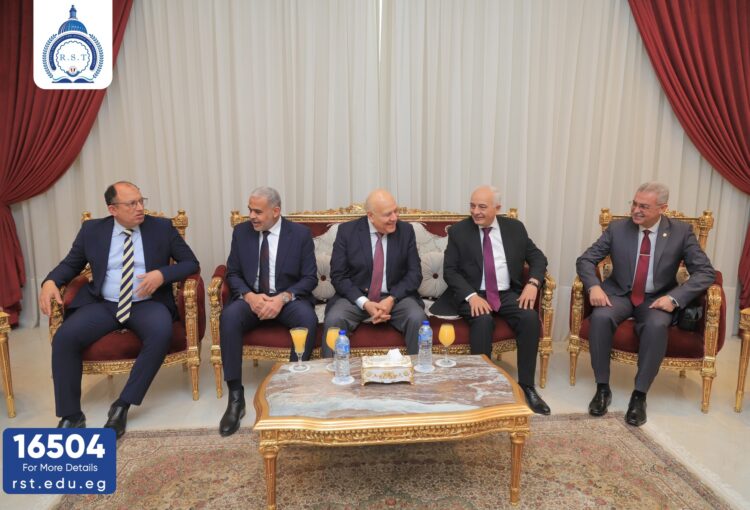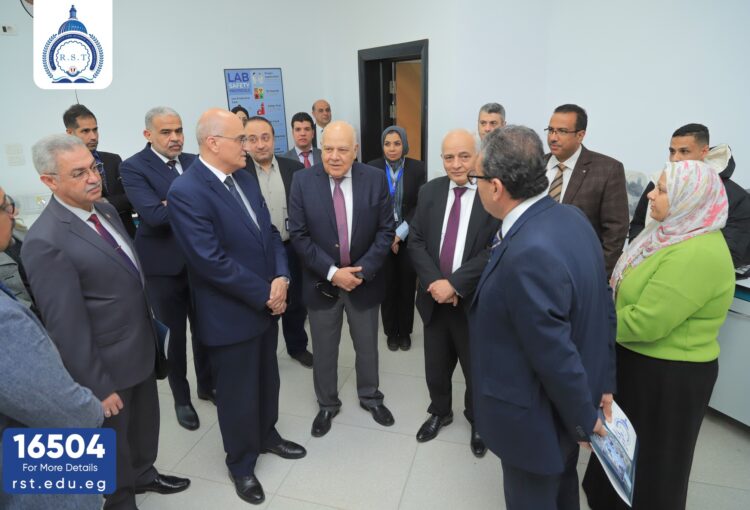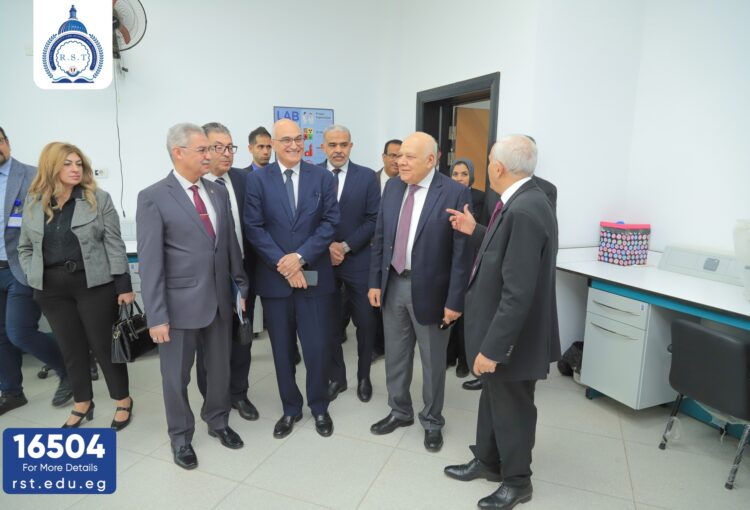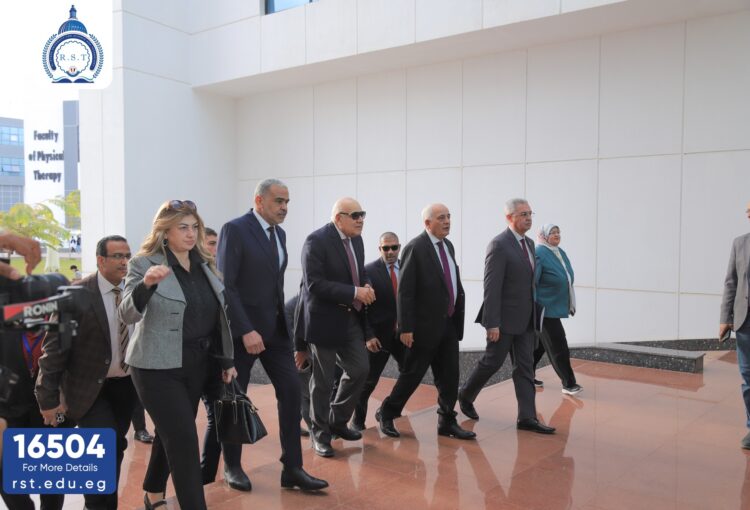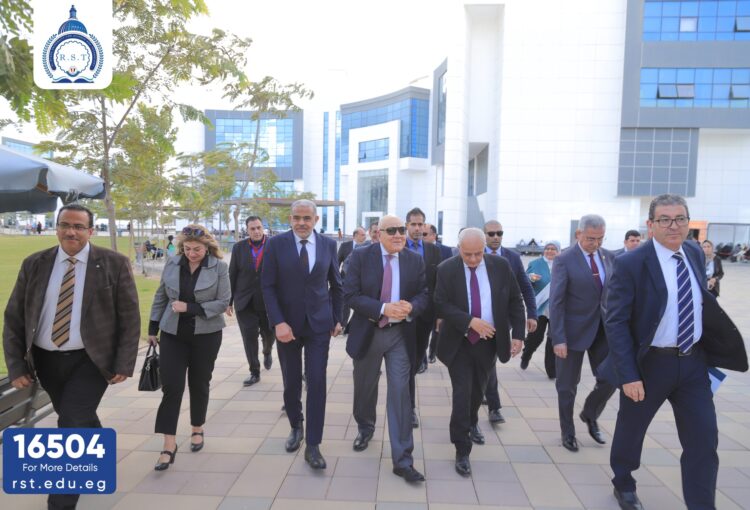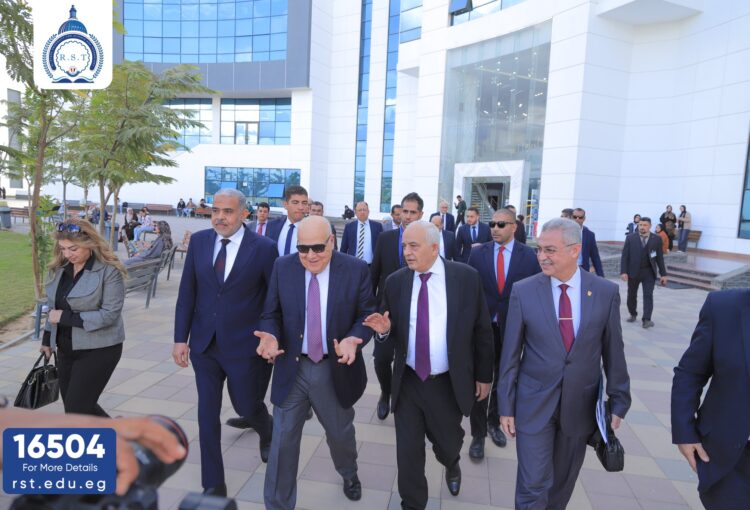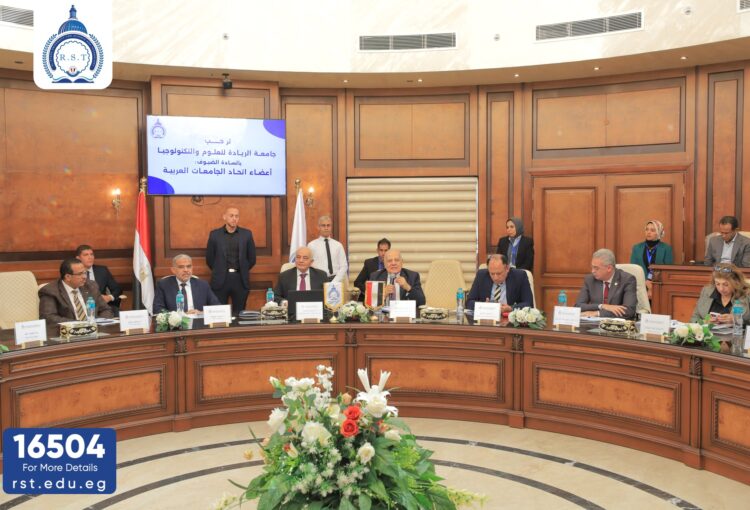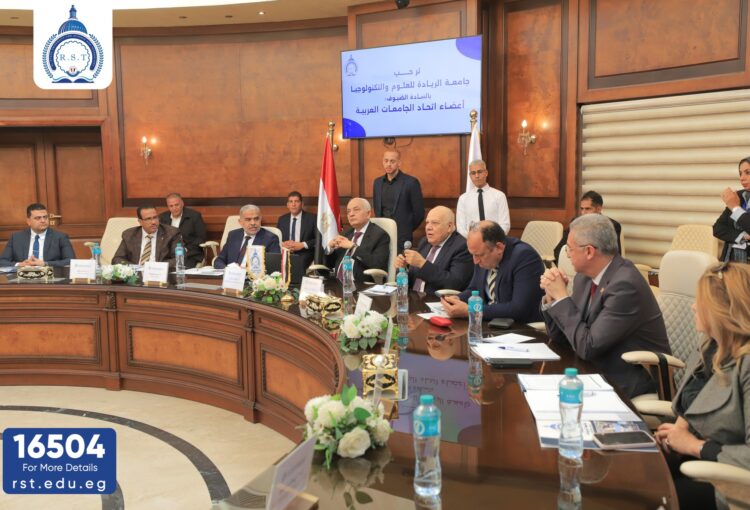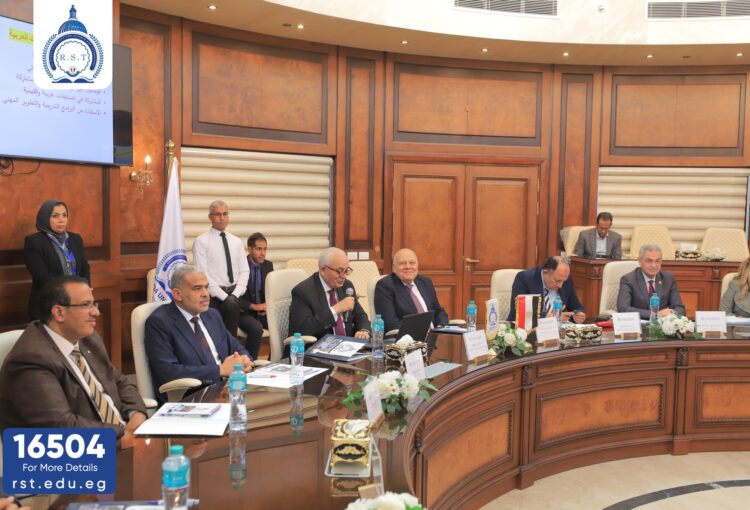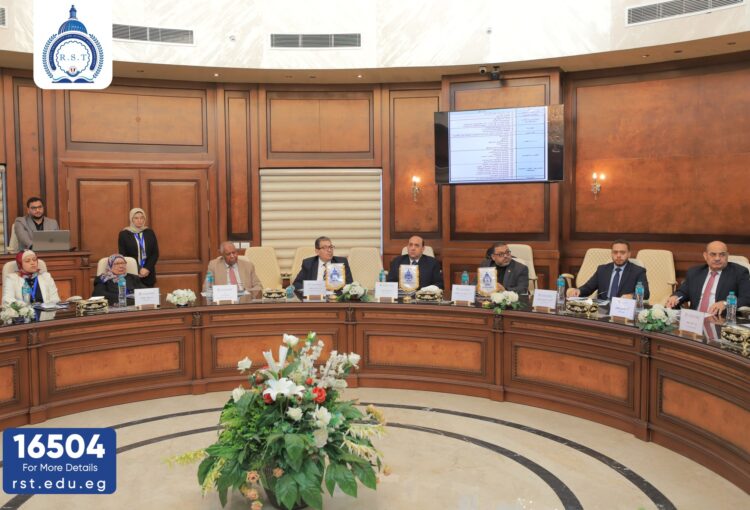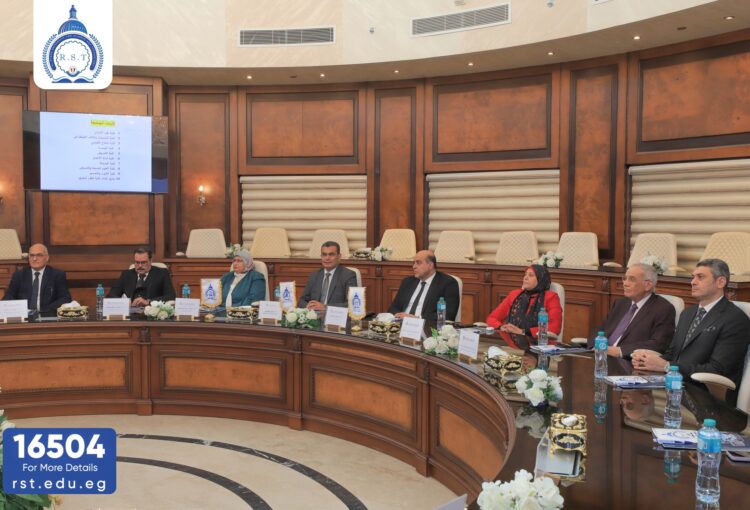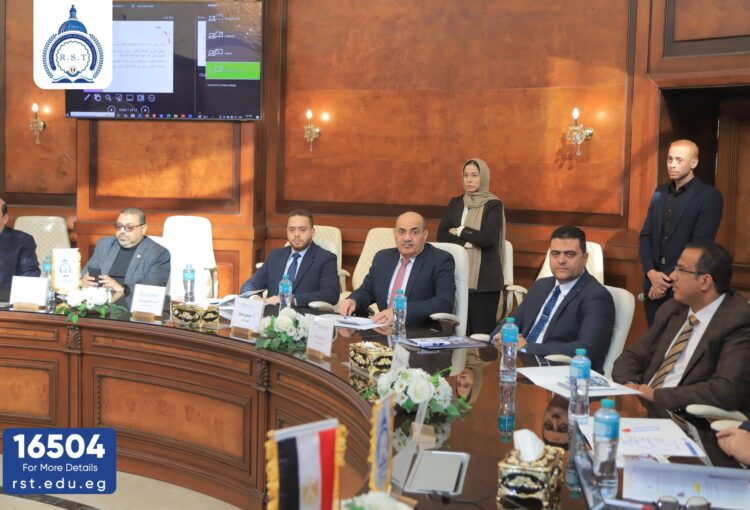
















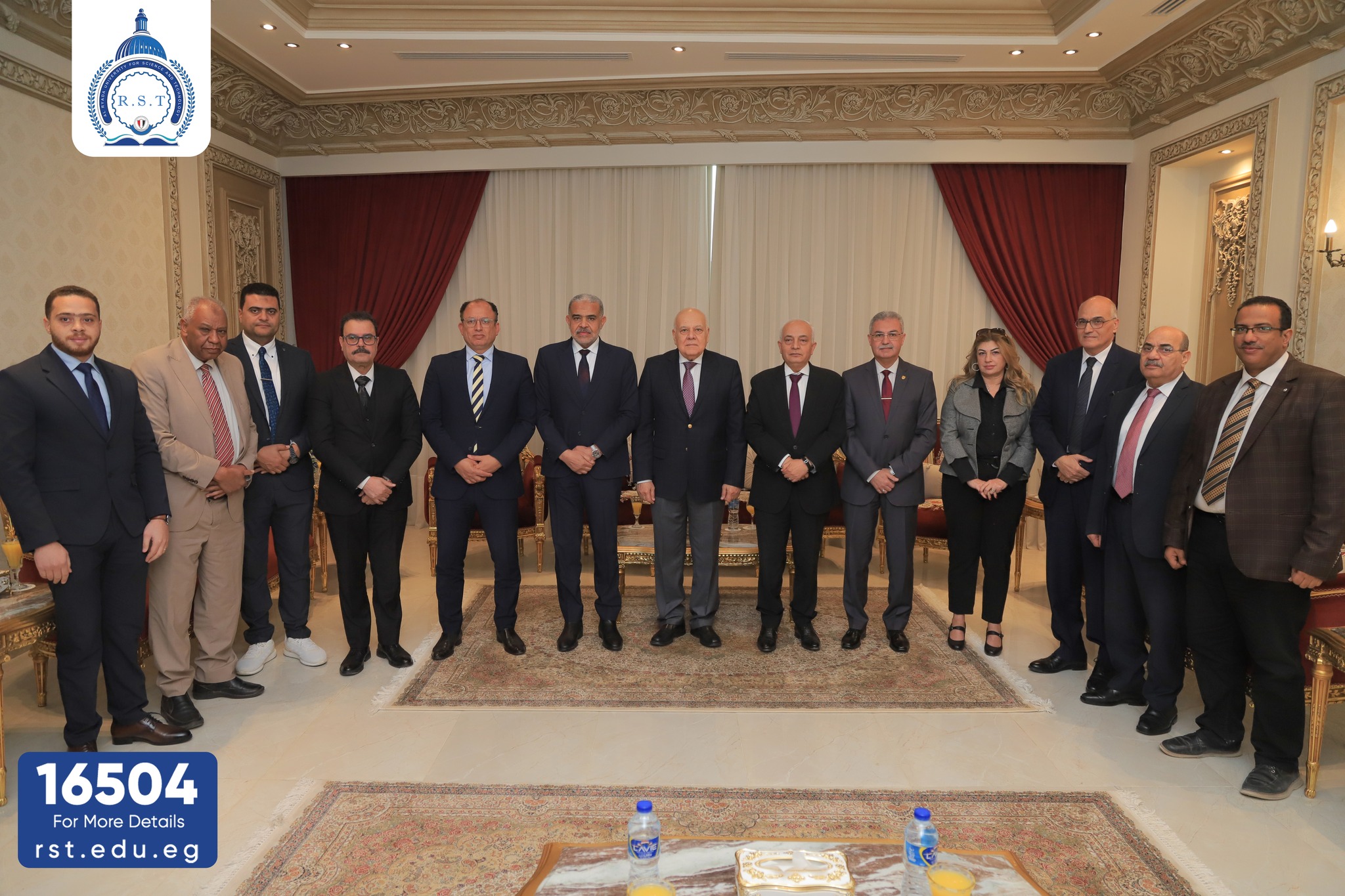
As part of its efforts to strengthen its academic standing, expand its Arab outreach, and widen its regional and international partnerships, Al-Ryada University for Science and Technology (RST) welcomed a delegation from the Association of Arab Universities, headed by Prof. Dr. Amr Ezzat Salama, Secretary-General of the Association and former Minister of Higher Education, and including Prof. Dr. El-Sayed Kandil, President of the Capital University (formerly Helwan University President), Prof. Dr. Wael Nabil Abdelsalam, President of Beirut Arab University, and Ms. Lina Al-Bitar, Director of the Association’s General Administration. The visit aimed to discuss the university’s accession to the Association. 
 The delegation was received by Dr. Yehia Mabrouk, Chairman of the Board of Trustees, and Prof. Dr. Reda Hegazy, President of the University. Dr. Yehia Mabrouk welcomed the distinguished guests, expressing his appreciation for the visit, which reflects the joint efforts to support the educational process and acknowledges the university’s strong human and material capabilities, along with its clear vision to prepare a generation capable of contributing to societal development.
 During the meeting, Prof. Dr. Reda Hegazy presented the vision of Al-Ryada University to become a pioneering and distinguished institution with high competitiveness at both the local and international levels
  , in alignment with the Sustainable Development Goals. He emphasized that the university’s mission is to prepare outstanding graduates capable of innovation, competing in the labor market, and meeting future challenges while upholding national identity, ethical values, and social responsibility.
He explained that, as a university focused on science and technology, Al-Ryada University seeks to be a hub for innovation and entrepreneurship in the Delta region and Sadat City  , through the provision of technical and technological support, educational and administrative consultations, and studies aligned with labor market needs—promoting academic and research excellence while strengthening community, regional, and international partnerships
  .
.
He also highlighted the diversity of academic programs offered across the university’s faculties and their unique features  , noting that the university’s advanced infrastructure provides a supportive learning environment that helps develop students’ skills and abilities, empowering them to compete locally, regionally, and globally
  .
.
For his part, Prof. Dr. Amr Ezzat Salama addressed the role of the Association of Arab Universities in enhancing academic and research cooperation among Arab universities, unifying efforts to improve higher education quality, and supporting Arab identity through joint education and research. He also stressed the importance of exchanging expertise and encouraging applied scientific research to support sustainable development in the Arab world  .
.
 During the visit, the delegation raised several inquiries regarding academic programs, partnerships, and scientific research. The university’s vice presidents and deans responded to these questions, and the delegation expressed its satisfaction with the university’s academic standards and advanced infrastructure
  .
.
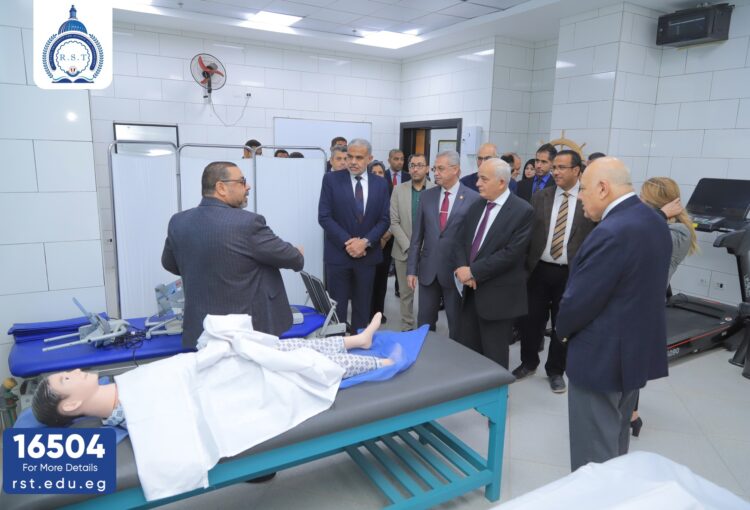
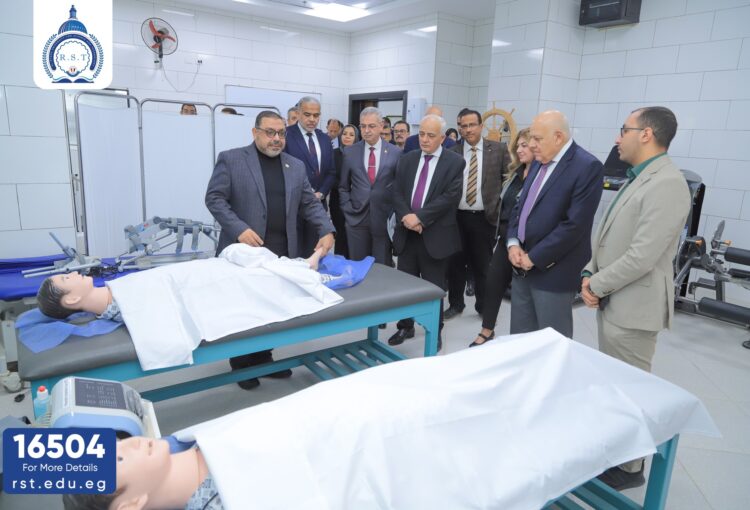
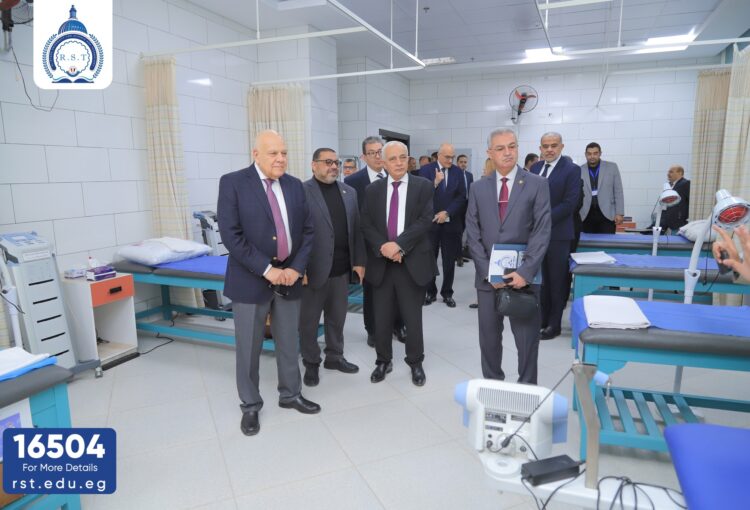
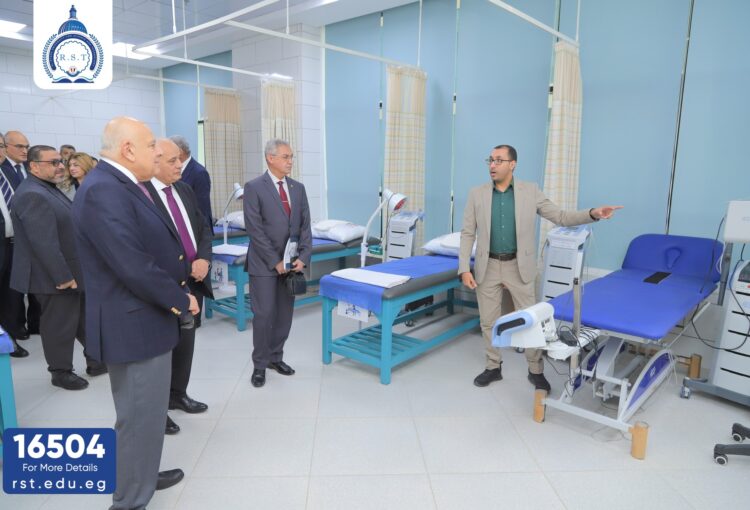
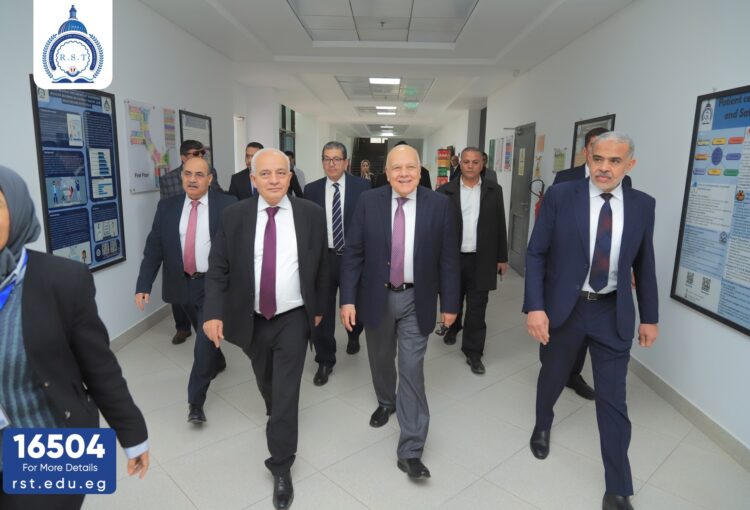
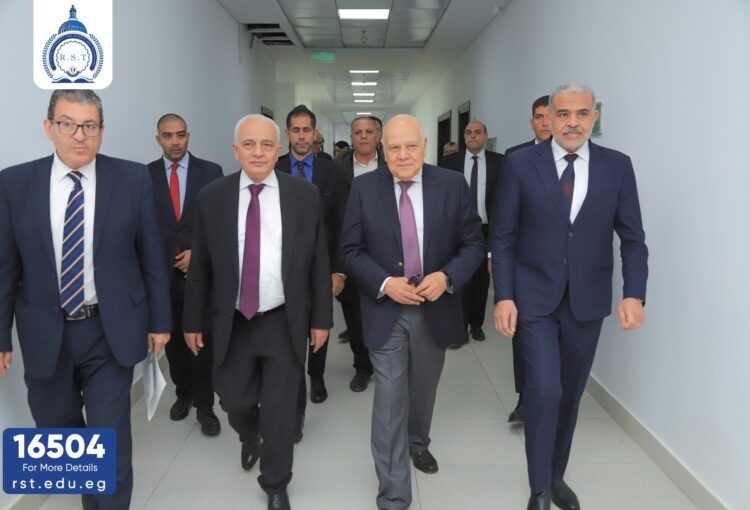
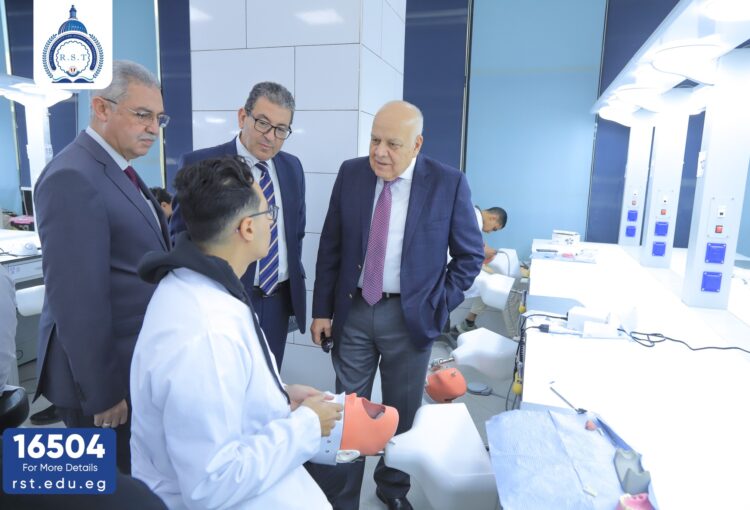
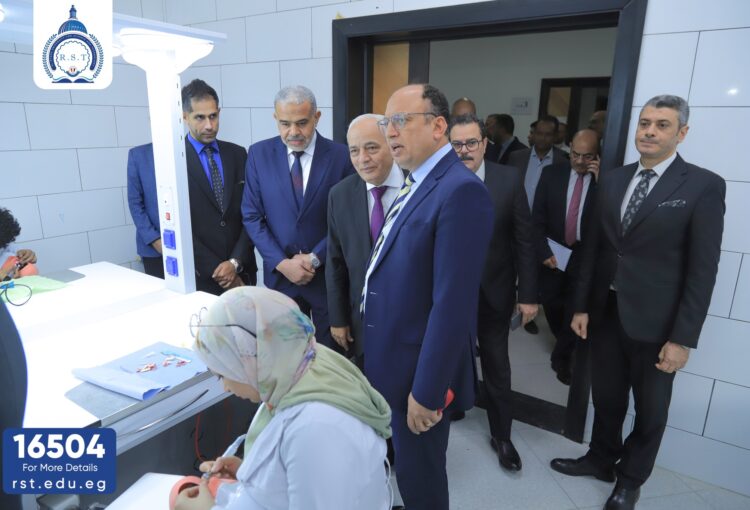
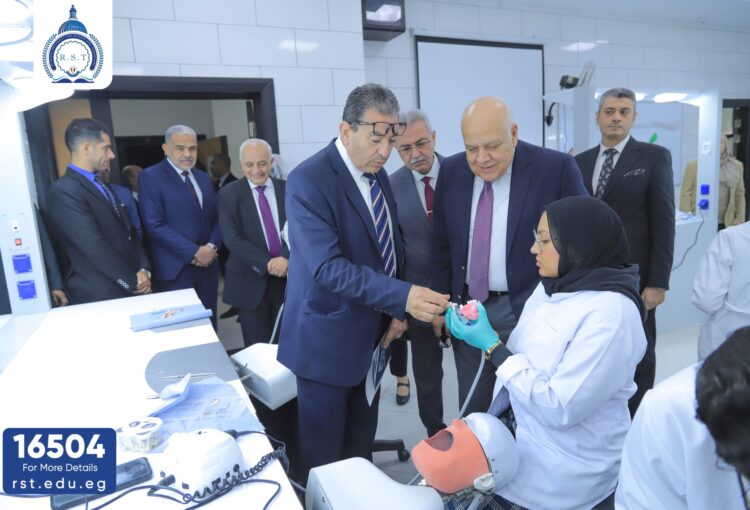
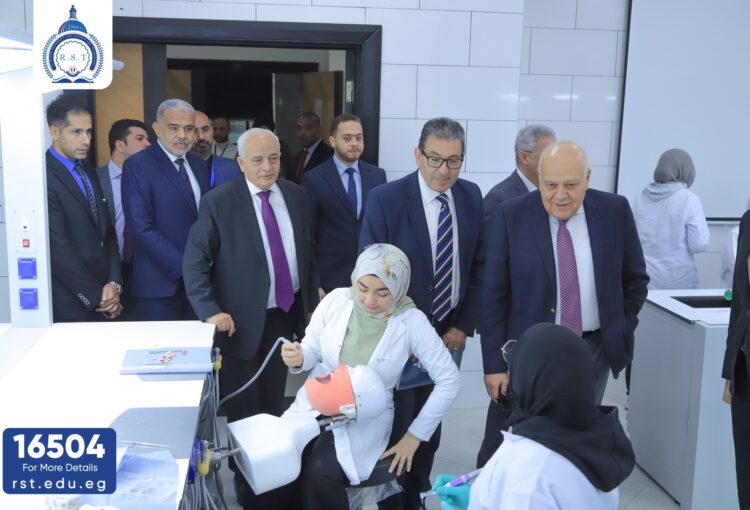
 The Chairman of the Board of Trustees and the University President accompanied the delegation on a field tour of the faculties, research laboratories, and outpatient clinics. The delegation praised the advanced facilities and modern equipment they observed.
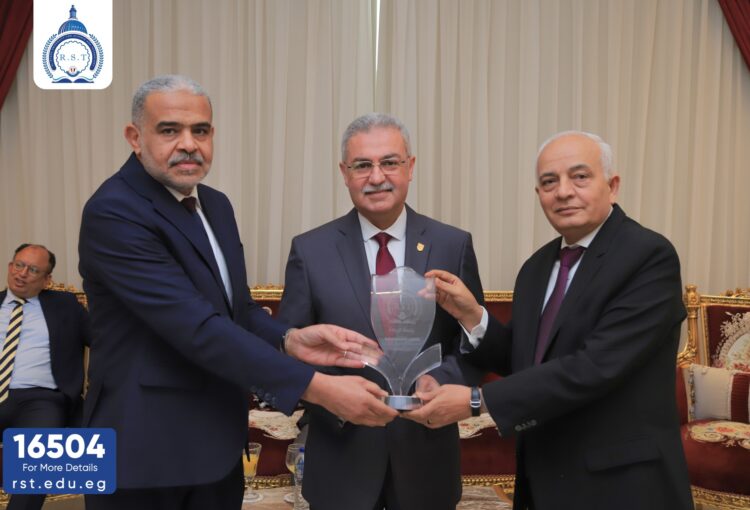
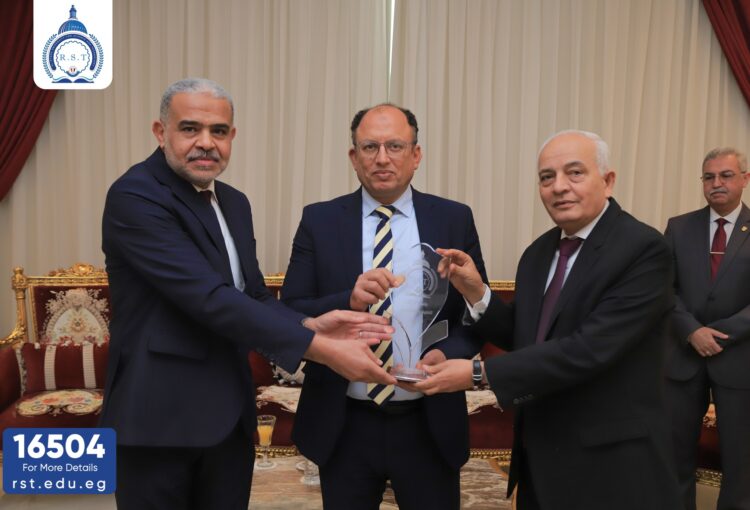
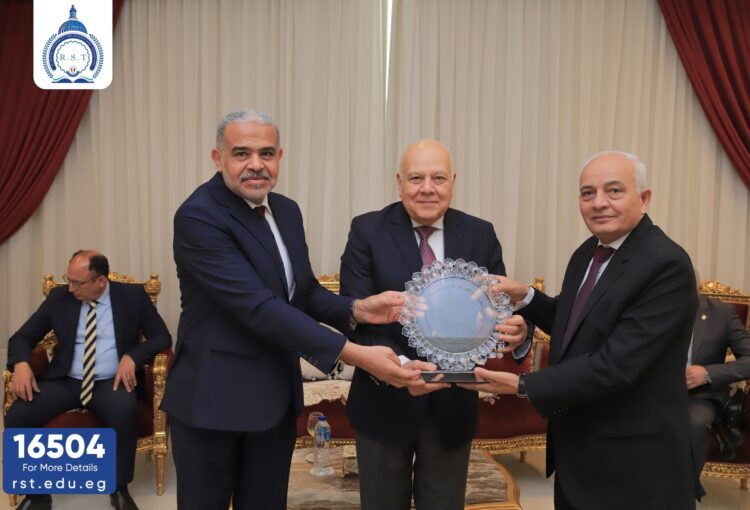
 At the conclusion of the visit, the Al-Ryada University community expressed its deep appreciation to the delegation of the Association of Arab Universities, affirming its aspiration for fruitful cooperation that supports students, researchers, and the wider community. Commemorative shields were presented to the delegation members in recognition of the Association’s vital role in supporting and developing the higher education system and strengthening academic and research collaboration among Arab universities.