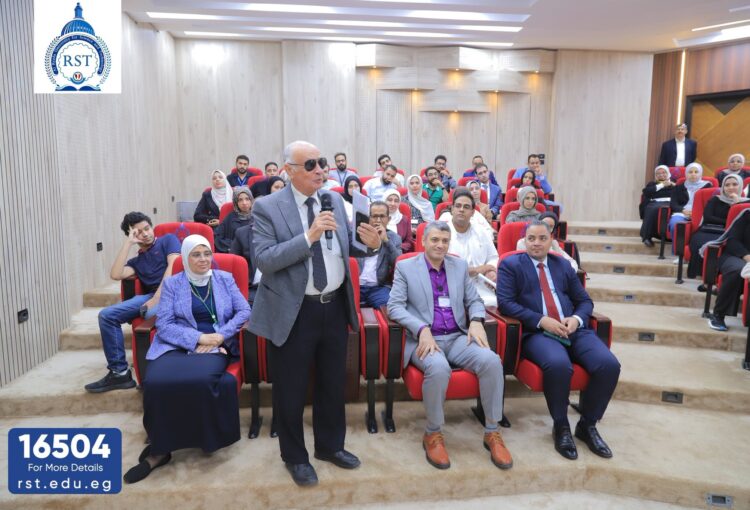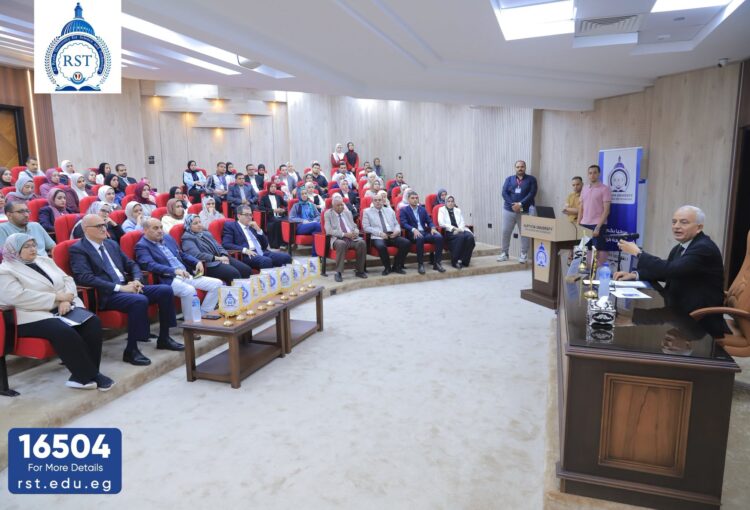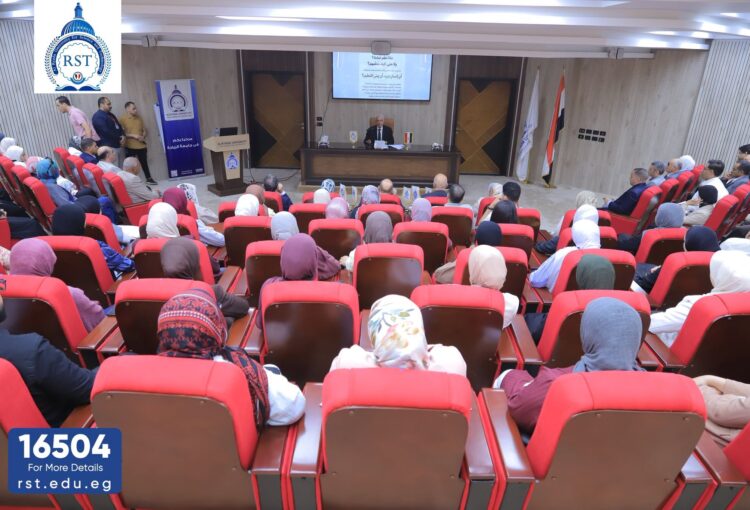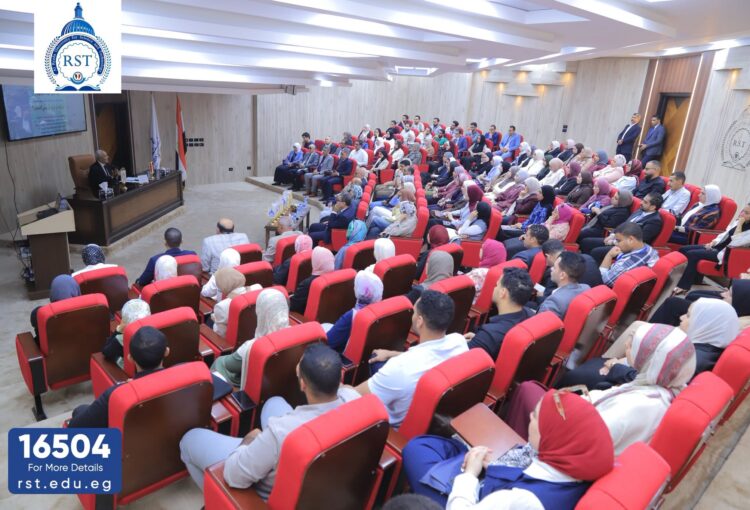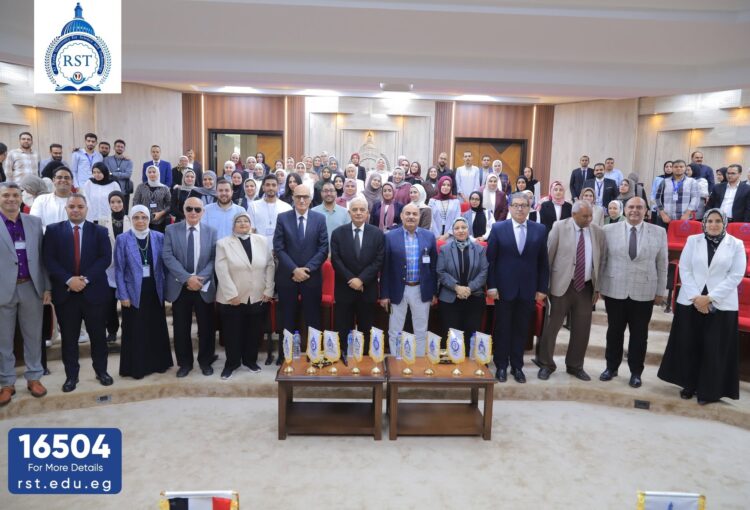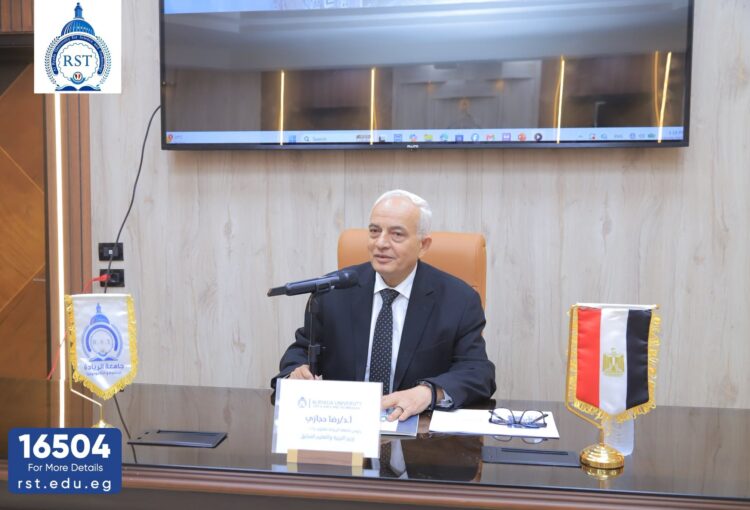
















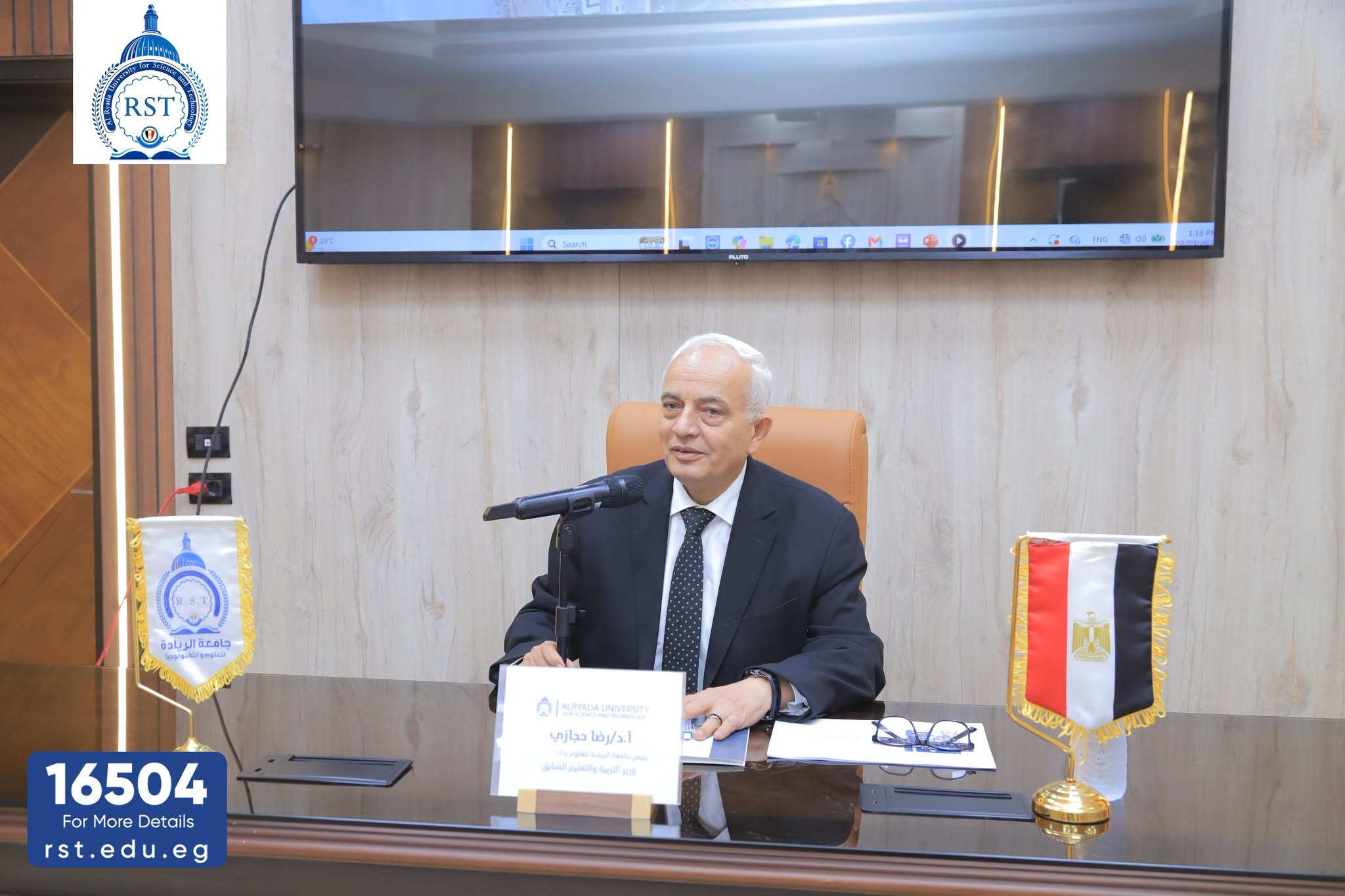
Al Ryada University for Science & Technology (RST) organized a seminar entitled “Responsibilities of Teaching Assistants,” under the guidance of Dr. Yehia Mabrouk, Chairman of the Board of Trustees, and chaired by Prof. Dr. Reda Hegazi, President of the University and former Minister of Education and Technical Education. The seminar aimed to enhance academic and research performance, promote the quality of education, and contribute to building students’ character.
 The seminar was attended by Prof. Dr. Ehab Saeed, Vice President of the University for Graduate Studies, Research, and International Relations; Mr. Hassan Ammar, Secretary General; along with the university’s deans, faculty members, and teaching assistants.
 The event began with an introductory film highlighting the university’s vision, capabilities, its nine faculties, and 32 academic programs, including Dentistry, Nursing, Physical Therapy, Computer Science and Artificial Intelligence, Engineering, Business Administration, Pharmacy, Art and Design, and Health Sciences.
 Prof. Dr. Reda Hegazi emphasized that education goes beyond obtaining a degree and transferring information. It is fundamentally about developing students’ minds, awareness, values, and personalities, while fostering critical thinking, creativity, learning, and informed decision-making, and preparing students to adapt to future changes and contribute effectively to society.
 He also highlighted the transition from the Age of Knowledge to the Age of Wisdom, emphasizing the responsible and ethical application of knowledge for the benefit of society through a developmental path that begins with knowledge, followed by skills and capabilities, and ultimately leads to competence.
 He explained that an entrepreneurial university transforms knowledge into economic value by supporting innovation, commercializing patents, and developing partnerships with industry and investors to contribute to sustainable development.
 He identified seven key areas of teaching assistants’ responsibilities: teaching, assessment, scientific research, ethics, the digital environment, responsibilities toward the department and faculty, and self-development.
 He stressed the importance of academic preparation, simplifying concepts and connecting them to practical applications, considering individual differences among students, providing constructive feedback, ensuring fairness in examinations, maintaining academic integrity, respecting students and colleagues, avoiding discrimination, protecting data confidentiality and intellectual property rights, participating in university activities, safeguarding university resources, and continuously developing teaching, disciplinary, and academic language skills.
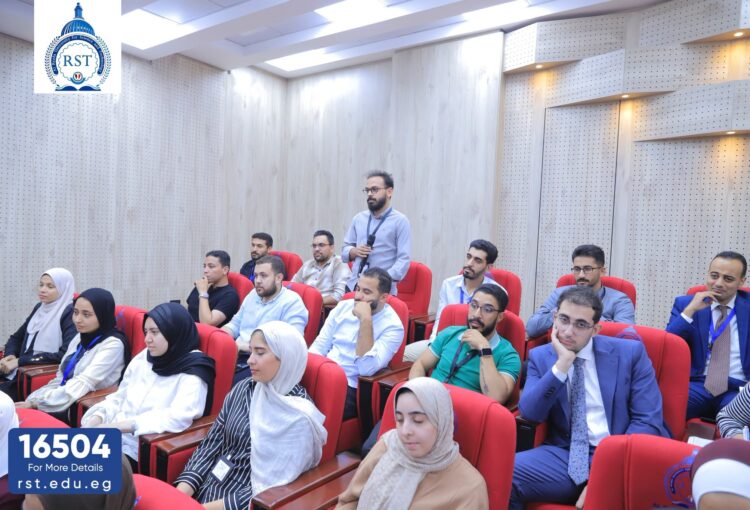
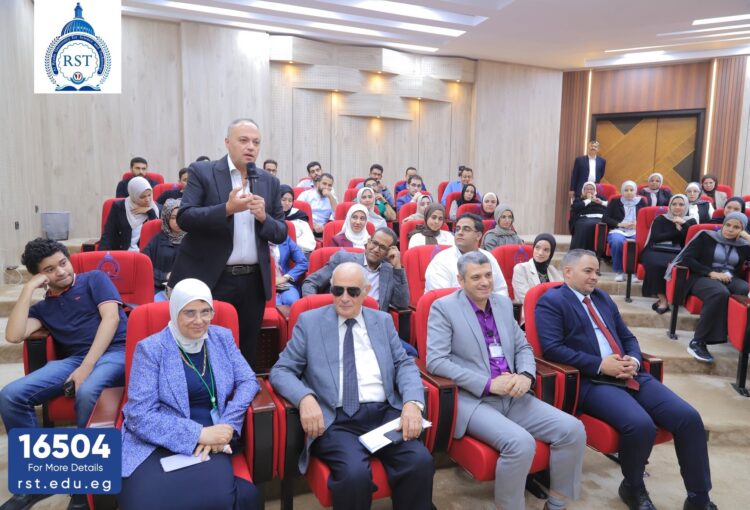
 The seminar concluded with an open dialogue to hear participants’ views, questions, and suggestions, emphasizing that communication and teamwork are fundamental to continuous development, and that teaching assistants are essential partners in building graduates who possess knowledge, skills, and competence, enabling them to compete effectively in the labor market.