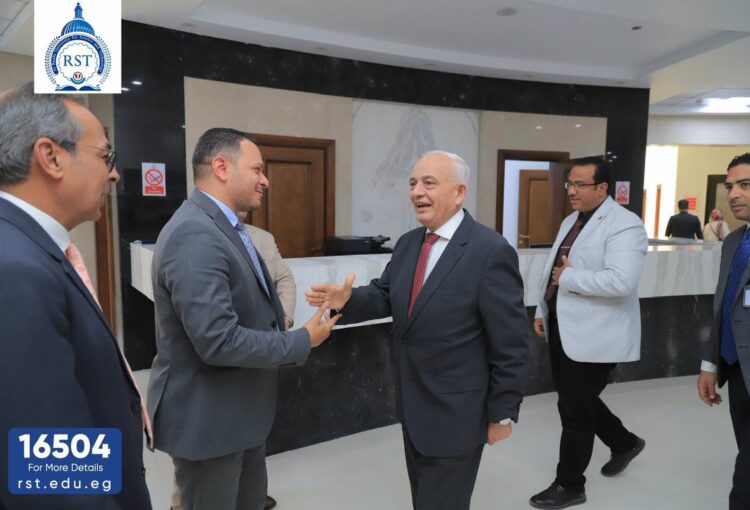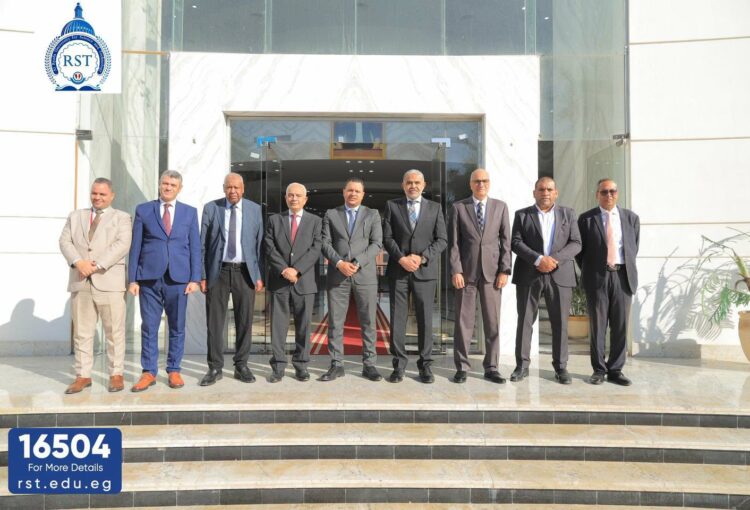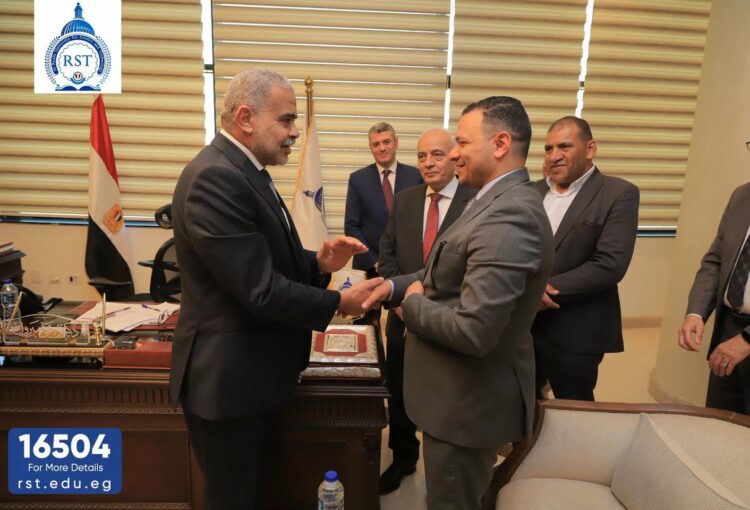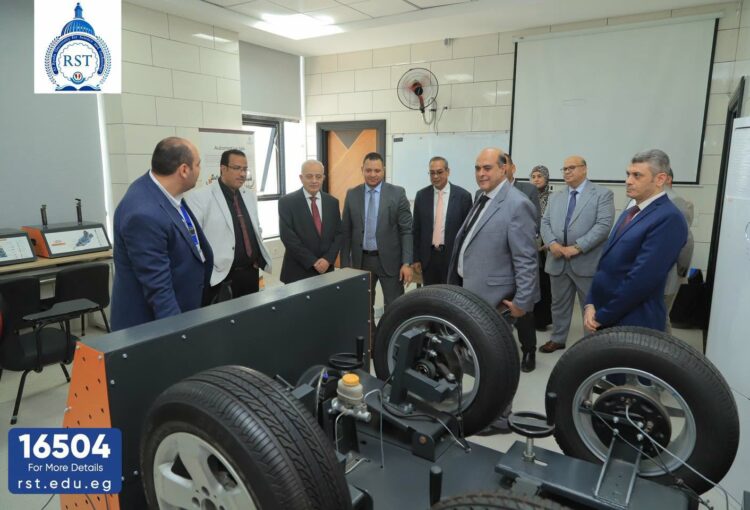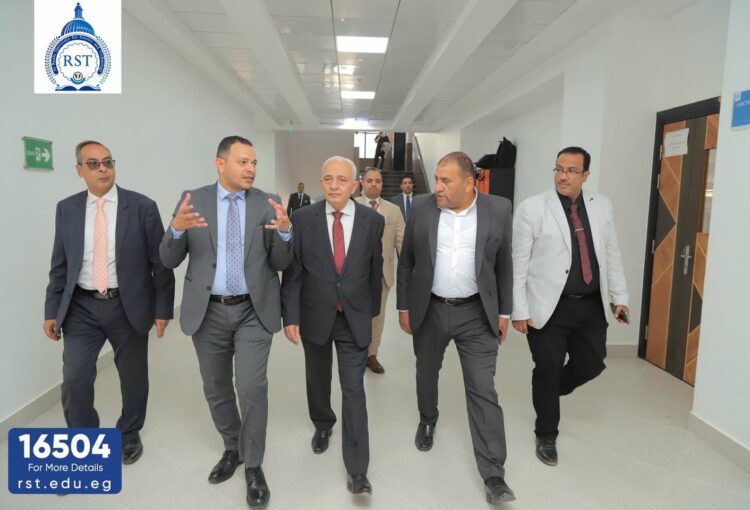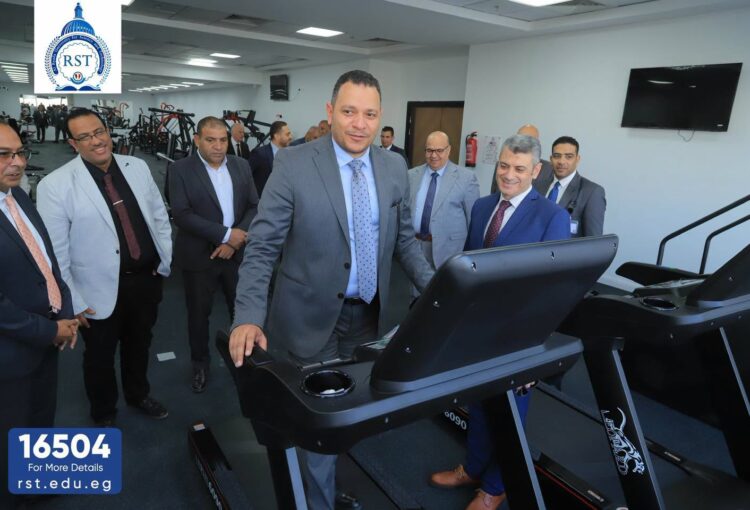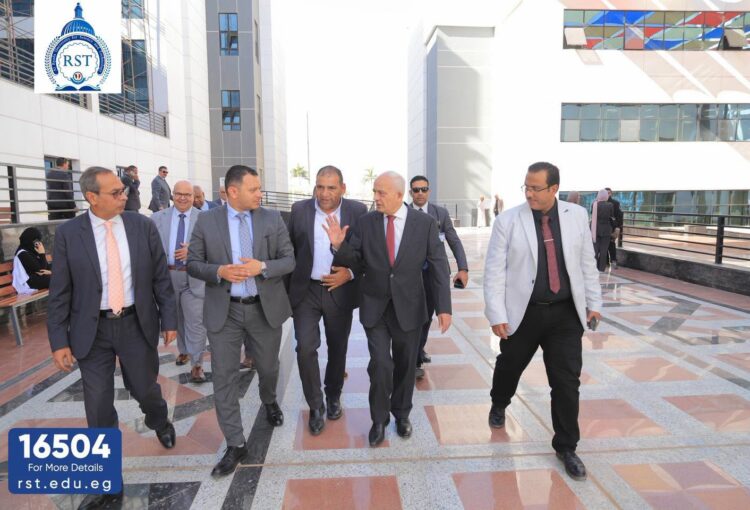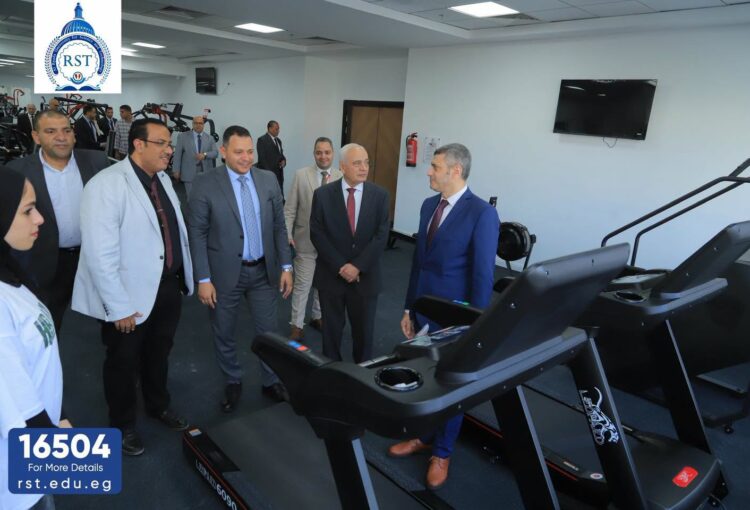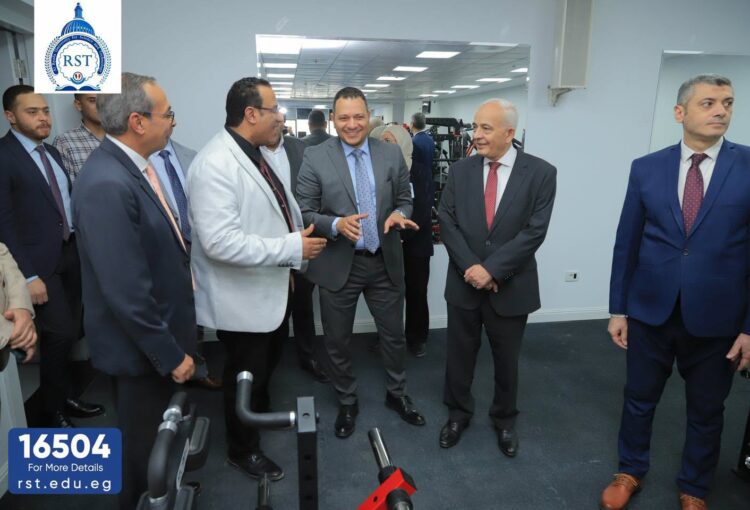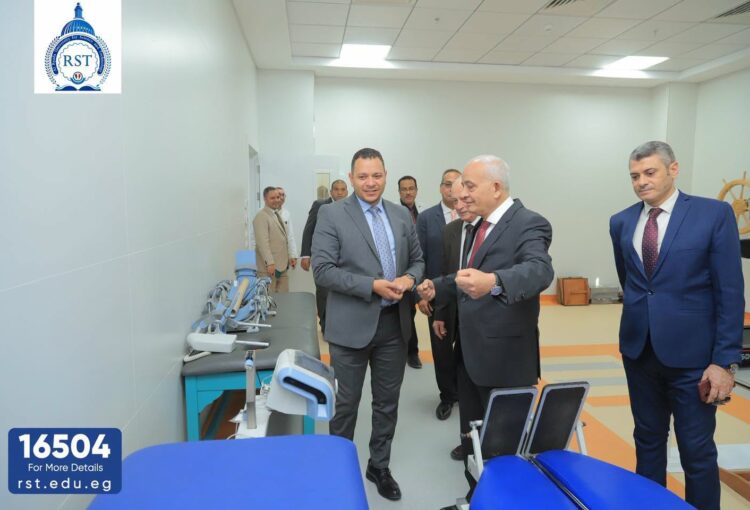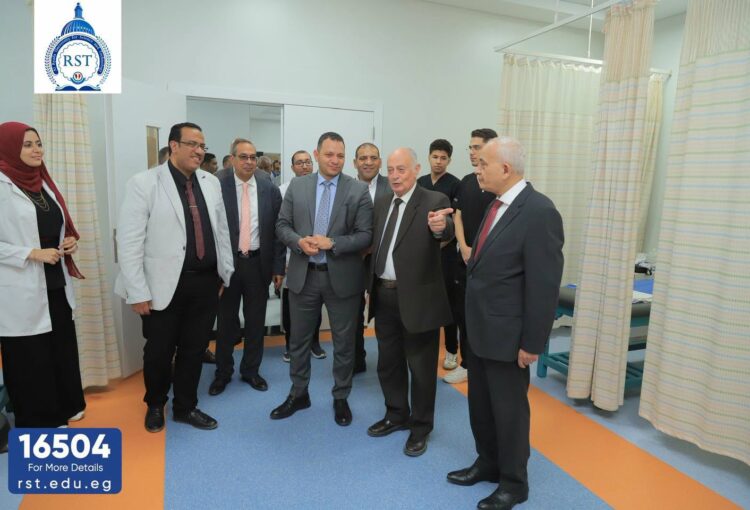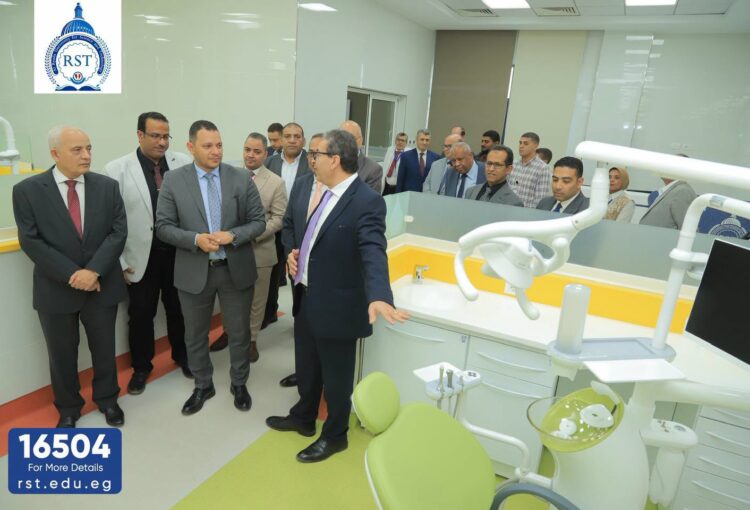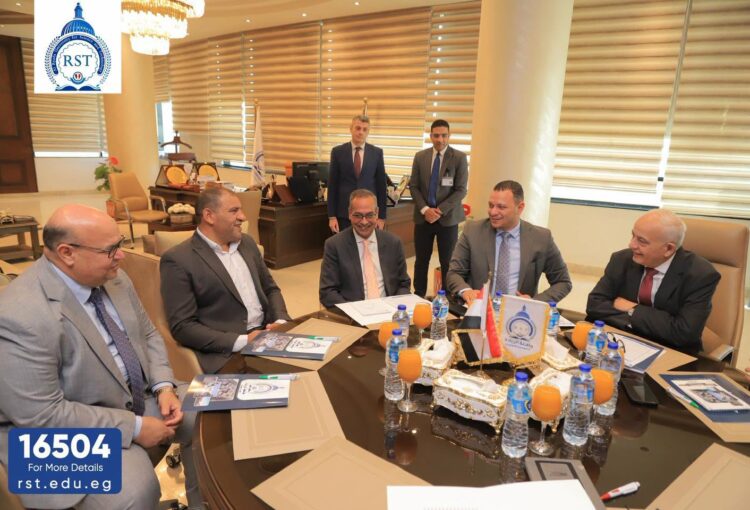
















As part of its commitment to strengthening partnerships between Al Ryada University for Science & Technology (RST) and executive institutions to support sustainable development and serve the local community in Sadat City, under the patronage of Dr. Yehia Mabrouk, Chairman of the Board of Trustees, and Prof. Dr. Reda Hegazy, President of the University and former Minister of Education and Technical Education.
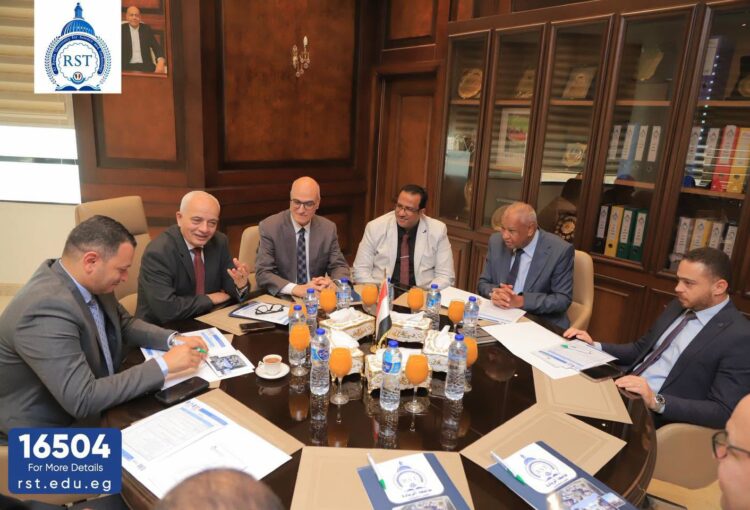
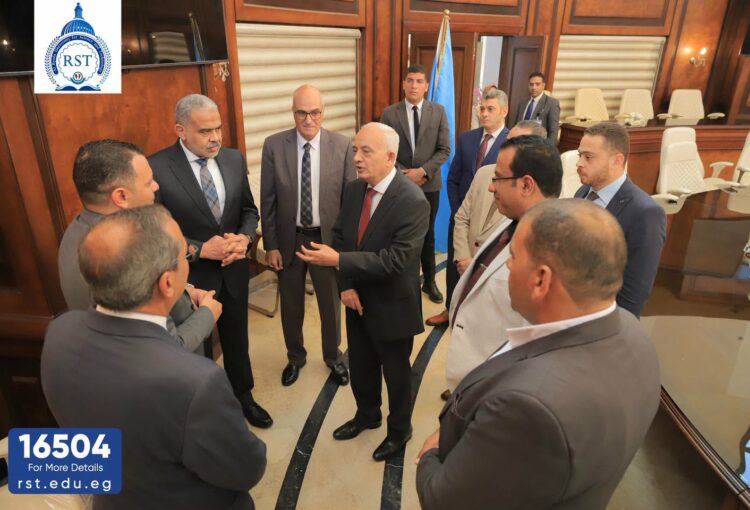
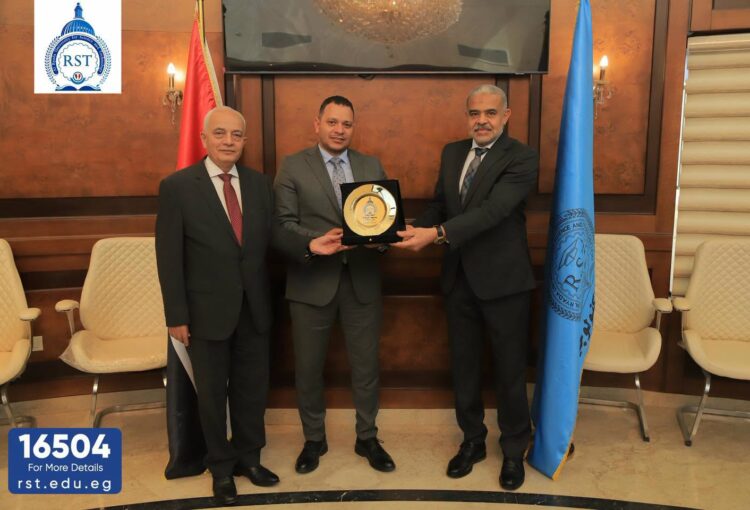
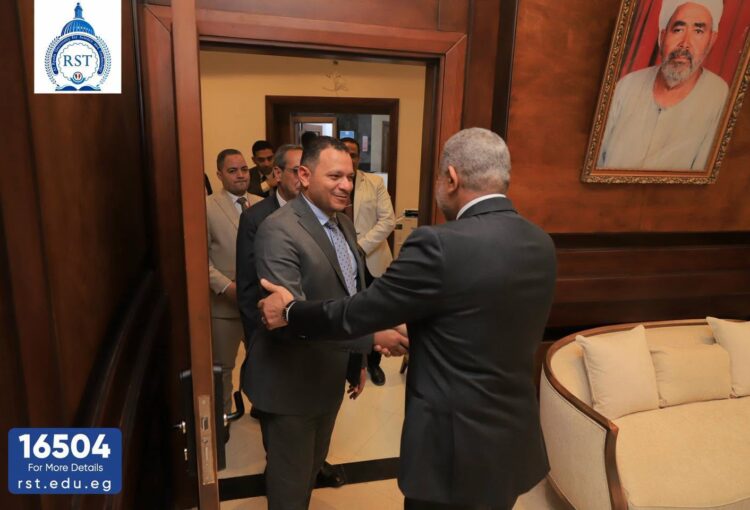
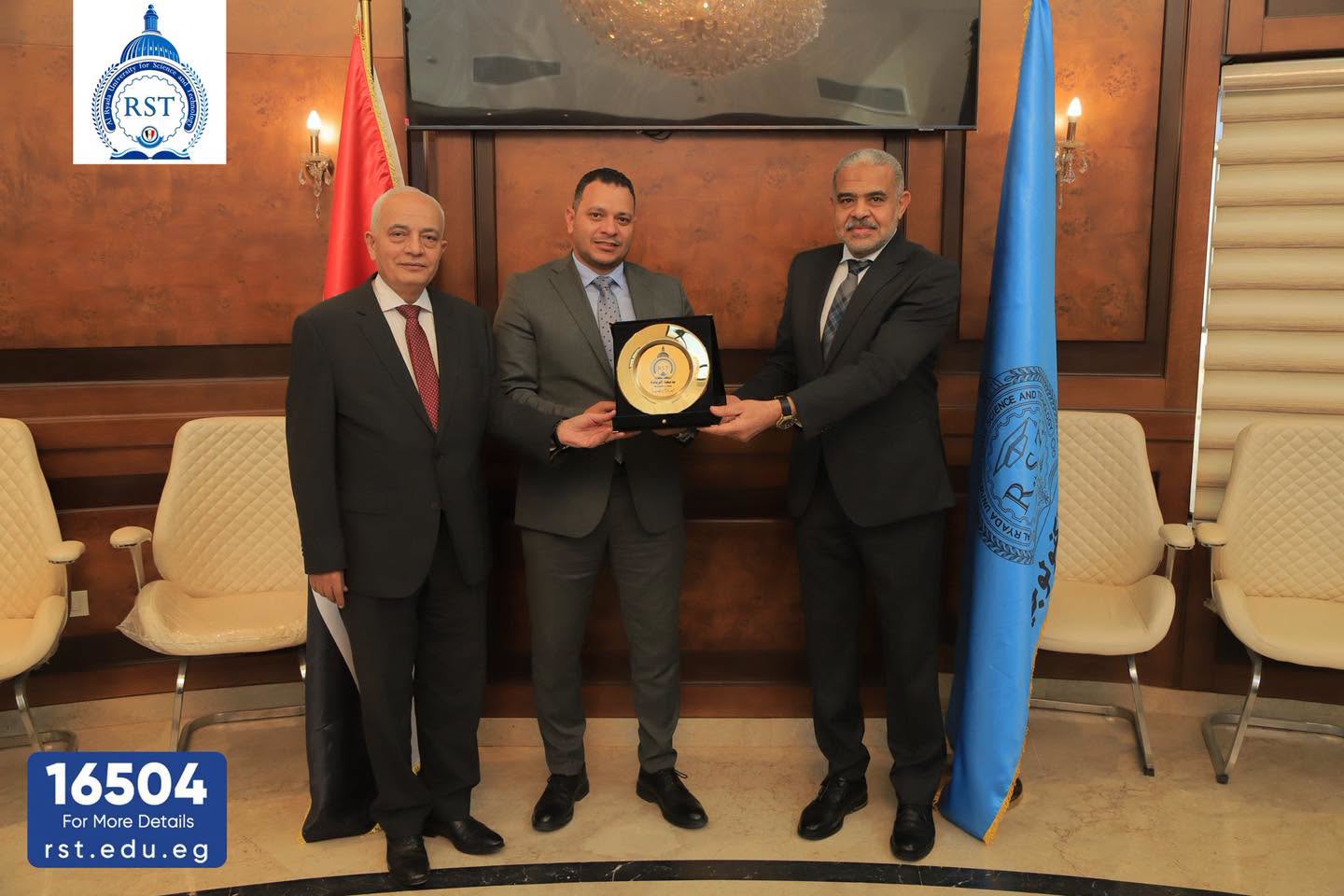
The University welcomed Eng. Mohamed Adel Anwar, Head of Sadat City Authority, accompanied by Eng. Nagi El-Naggar, to discuss mechanisms for preparing Sadat City’s nomination file to join the UNESCO Global Network of Learning Cities.
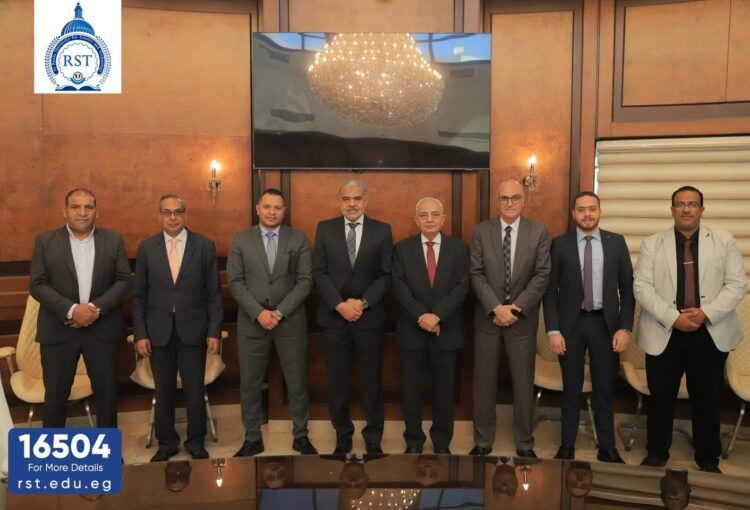
The meeting was attended by Prof. Dr. Reda Hegazy, President of the University; Prof. Dr. Ehab Saeed, Vice President for Postgraduate Studies and Community Service; Prof. Dr. Ahmed Saber, Advisor to the Chairman of the Board of Trustees and Secretary of the Board of Trustees; Dr. Hegazy Idris, Advisor to the University President for International Relations; Mr. Ahmed El-Sheikh, Secretary-General of the University; and Mr. Abdelrahman Yehia, Assistant Secretary-General.
 Prof. Dr. Reda Hegazy, President of Al Ryada University, emphasized that cooperation with Sadat City Authority represents an extension of the University’s educational, developmental, and community service mission. He noted that the role of universities is no longer limited to delivering academic programs and graduating students; it also extends to actively contributing to the development of surrounding communities and providing scientific and practical solutions to the challenges they face.
He explained that Sadat City’s nomination to join the UNESCO Global Network of Learning Cities represents an important opportunity to highlight the city’s educational, industrial, and human resources, while benefiting from international expertise in advancing lifelong learning.
He added that Al Ryada University possesses diverse academic and research capabilities and specializations that can support this initiative through developing training and qualification programs, expanding opportunities for continuing education, and aligning educational outcomes with the needs of the labor market and industrial sector.
Dr. Hegazy Idris, Advisor to the University President for International Relations, explained that joining the UNESCO Global Network of Learning Cities requires preparing a comprehensive nomination file based on internationally recognized standards and highlighting the city’s efforts to provide learning and training opportunities for all segments of society.
He also emphasized the importance of developing a clear map of educational and training institutions, documenting existing initiatives and programs, identifying development needs and gaps, and establishing effective partnerships between the University, Sadat City Authority, industrial institutions, and community organizations.
For his part, Eng. Mohamed Adel Anwar, Head of Sadat City Authority, expressed his appreciation to the University’s leadership for its support and assistance in preparing the nomination file, which strengthens its educational and community role and supports its efforts to serve the city’s residents.
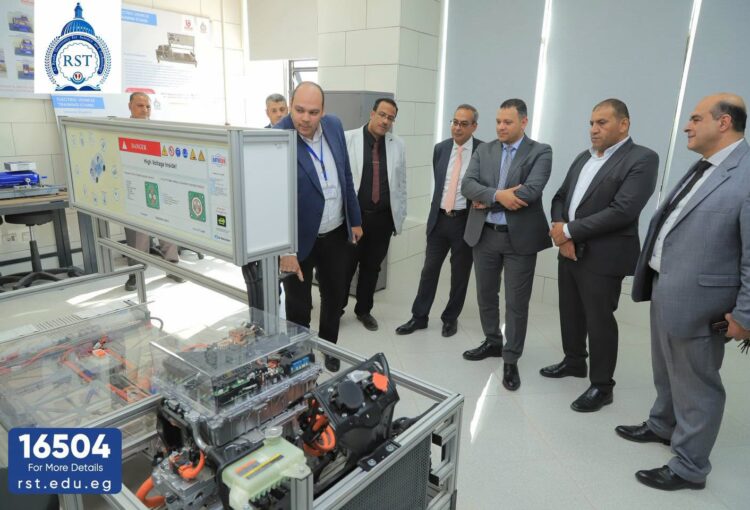
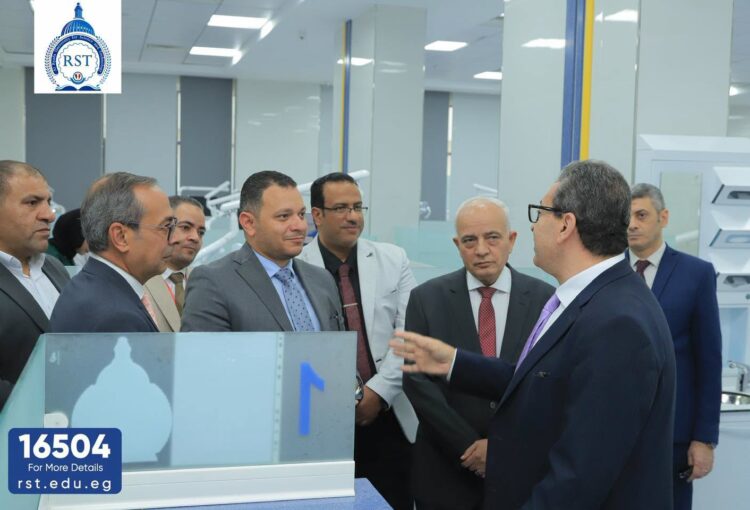
He praised the outstanding standards of construction, execution, and architectural design he observed across the University, as well as its modern facilities and advanced infrastructure, which reflect the University’s considerable capabilities.
The Head of Sadat City Authority also expressed his admiration for the University’s architectural and modern appearance and the advanced facilities and resources it offers, contributing to an integrated educational environment and supporting the provision of educational, training, and medical services to the residents of Sadat City.
As part of the Authority’s commitment to achieving architectural and aesthetic integration between the University and its surrounding urban environment, Eng. Mohamed Adel Anwar affirmed the Authority’s readiness to cooperate in developing and enhancing the visual landscape and the area surrounding the University’s main façade. This initiative aims to align the surrounding environment with Al Ryada University’s visual identity, reflect the professional standard of its architectural designs, and present its exterior façade in a manner that matches the quality of its buildings and facilities.
He emphasized that cooperation between Sadat City Authority and the University represents a model of integration between executive and educational institutions, positively impacting the quality of services provided to citizens and supporting the ongoing development of Sadat City.