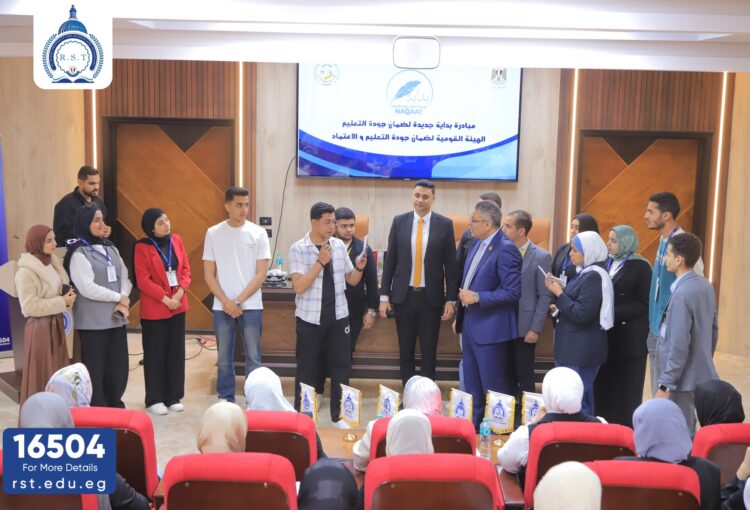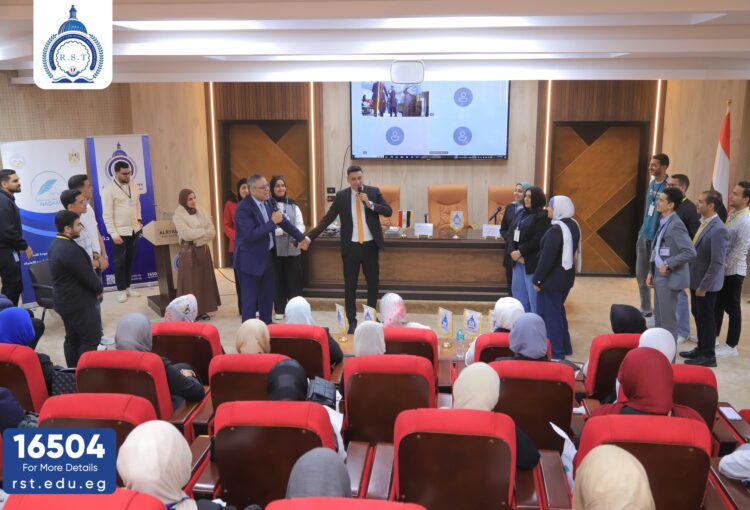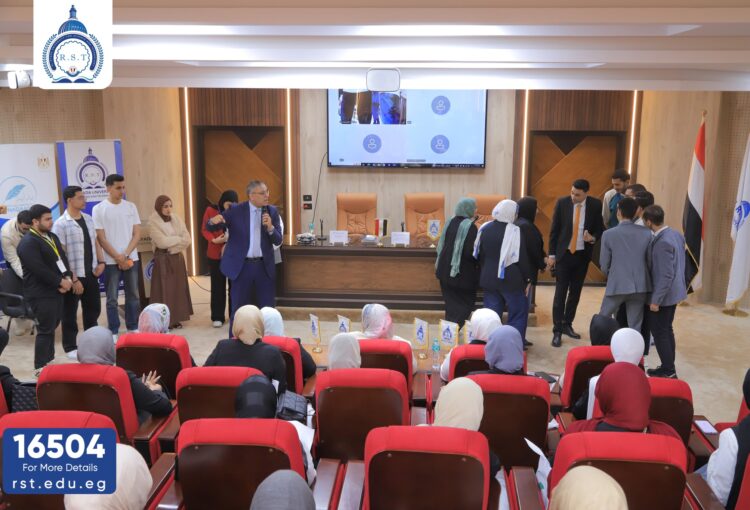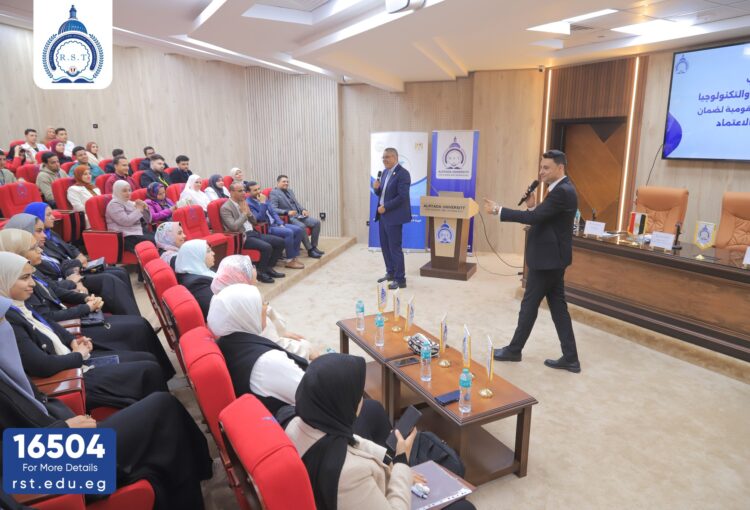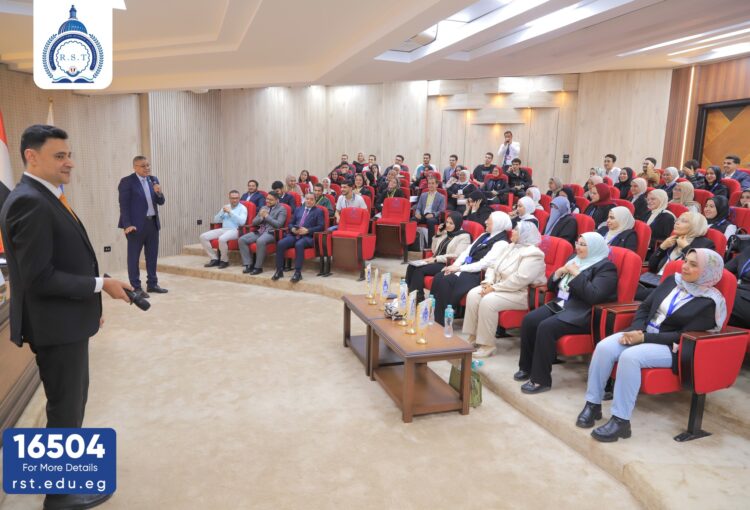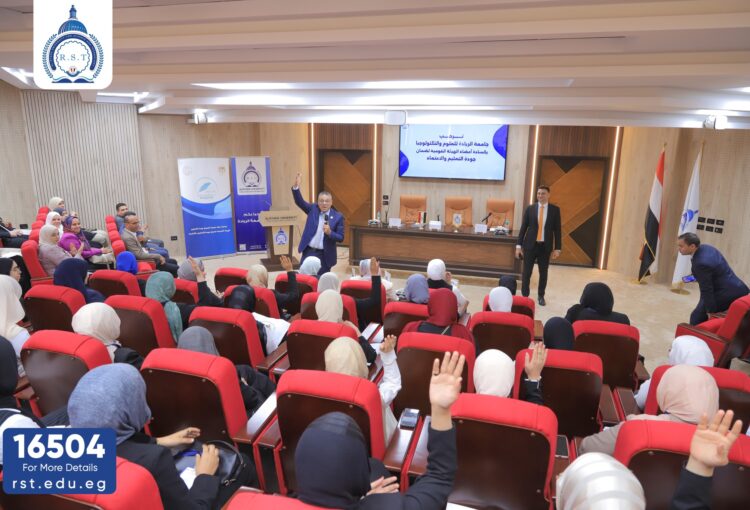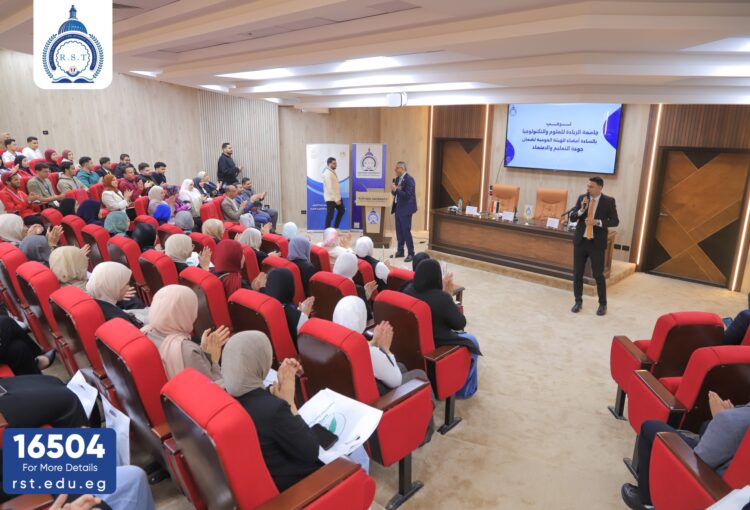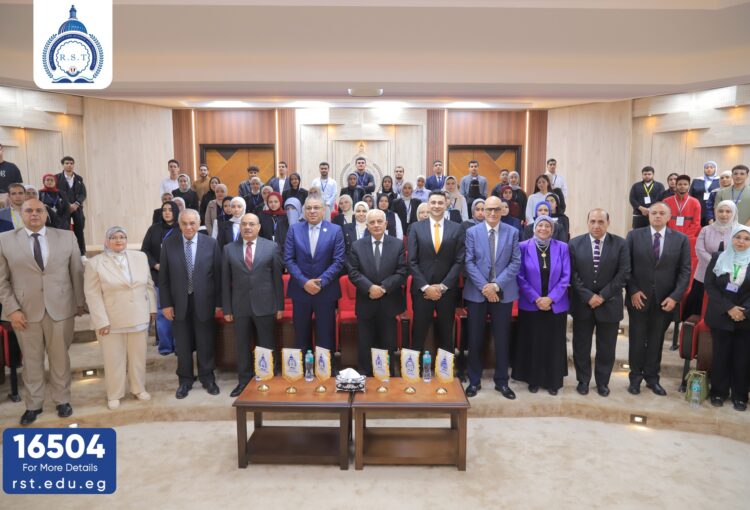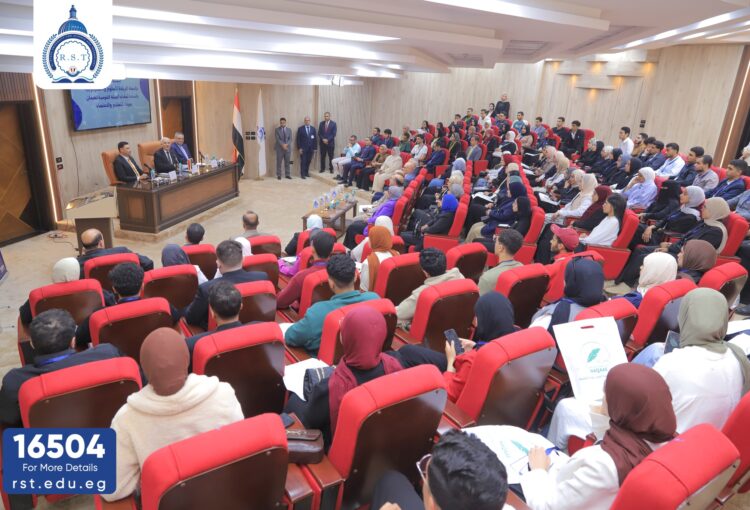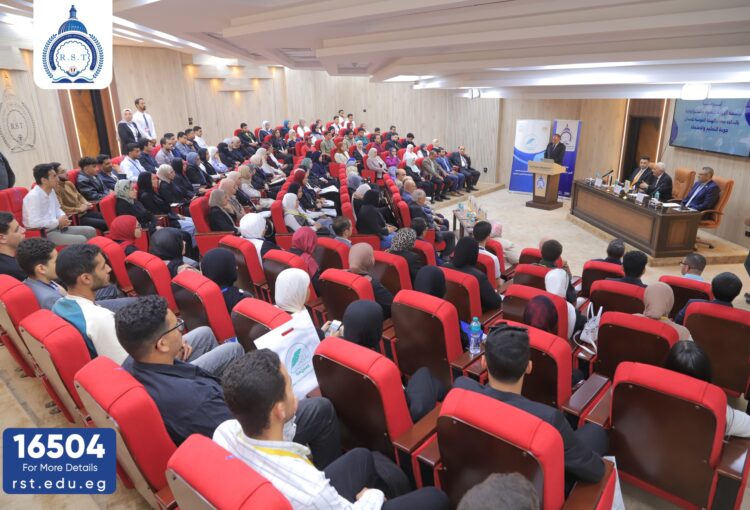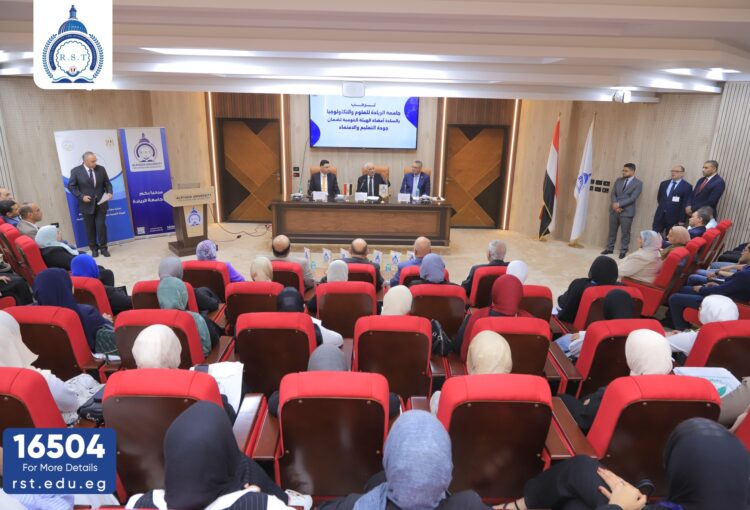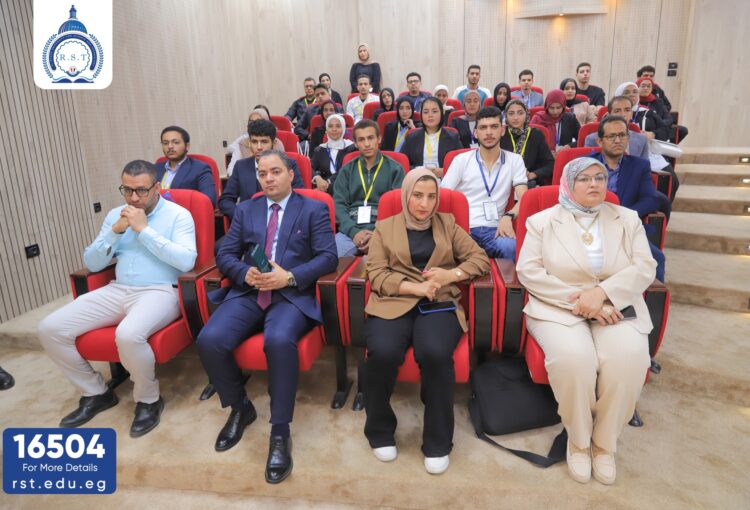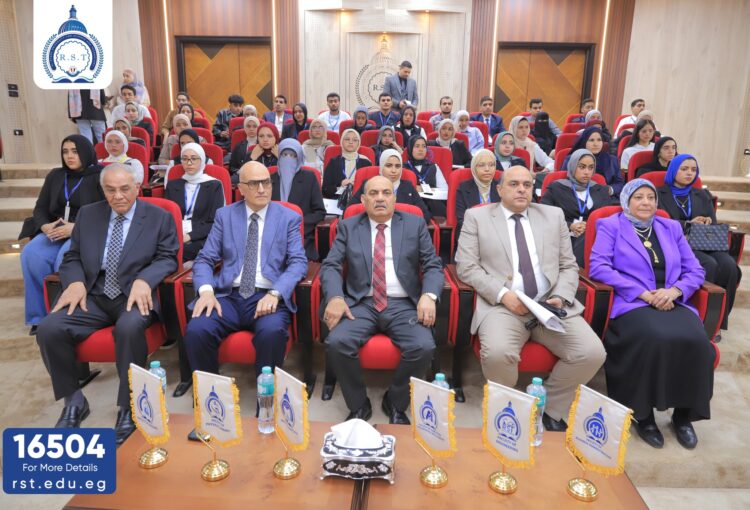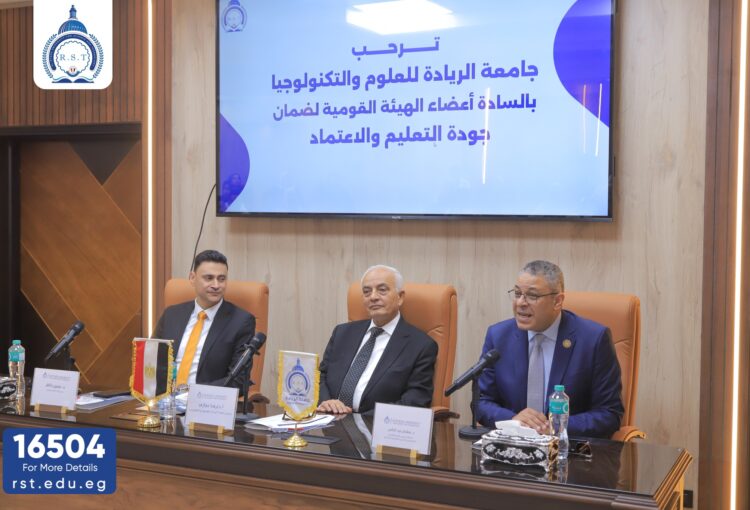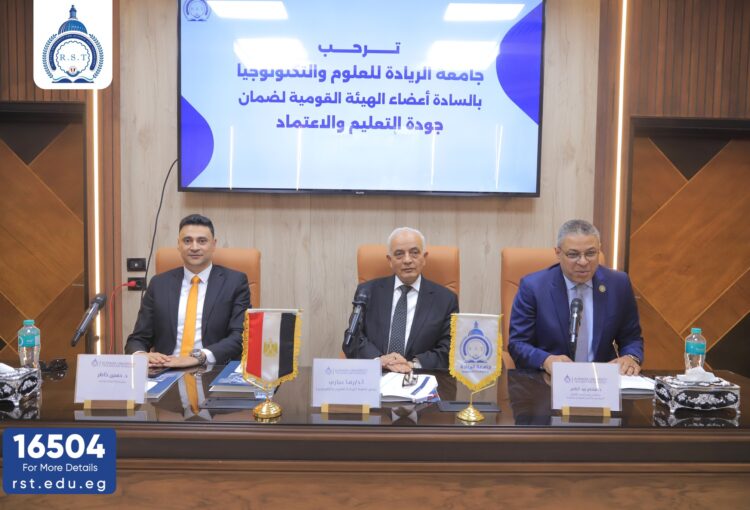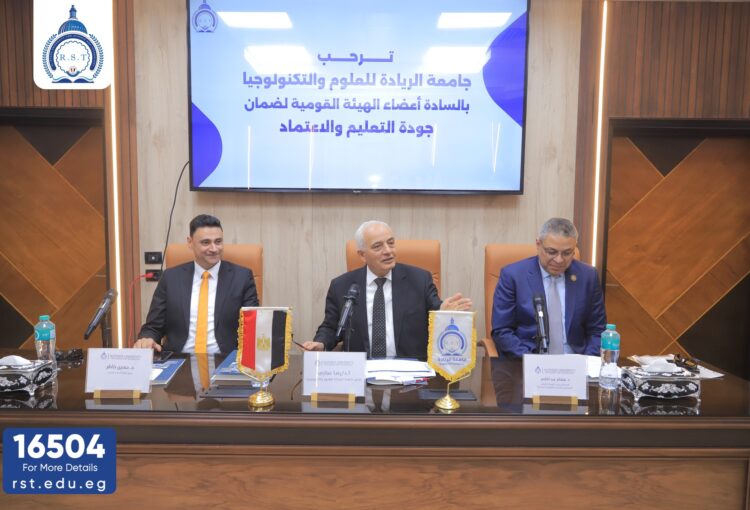
















Al-Ryada University hosts experts from the Education Quality Assurance Authority in a student training workshop
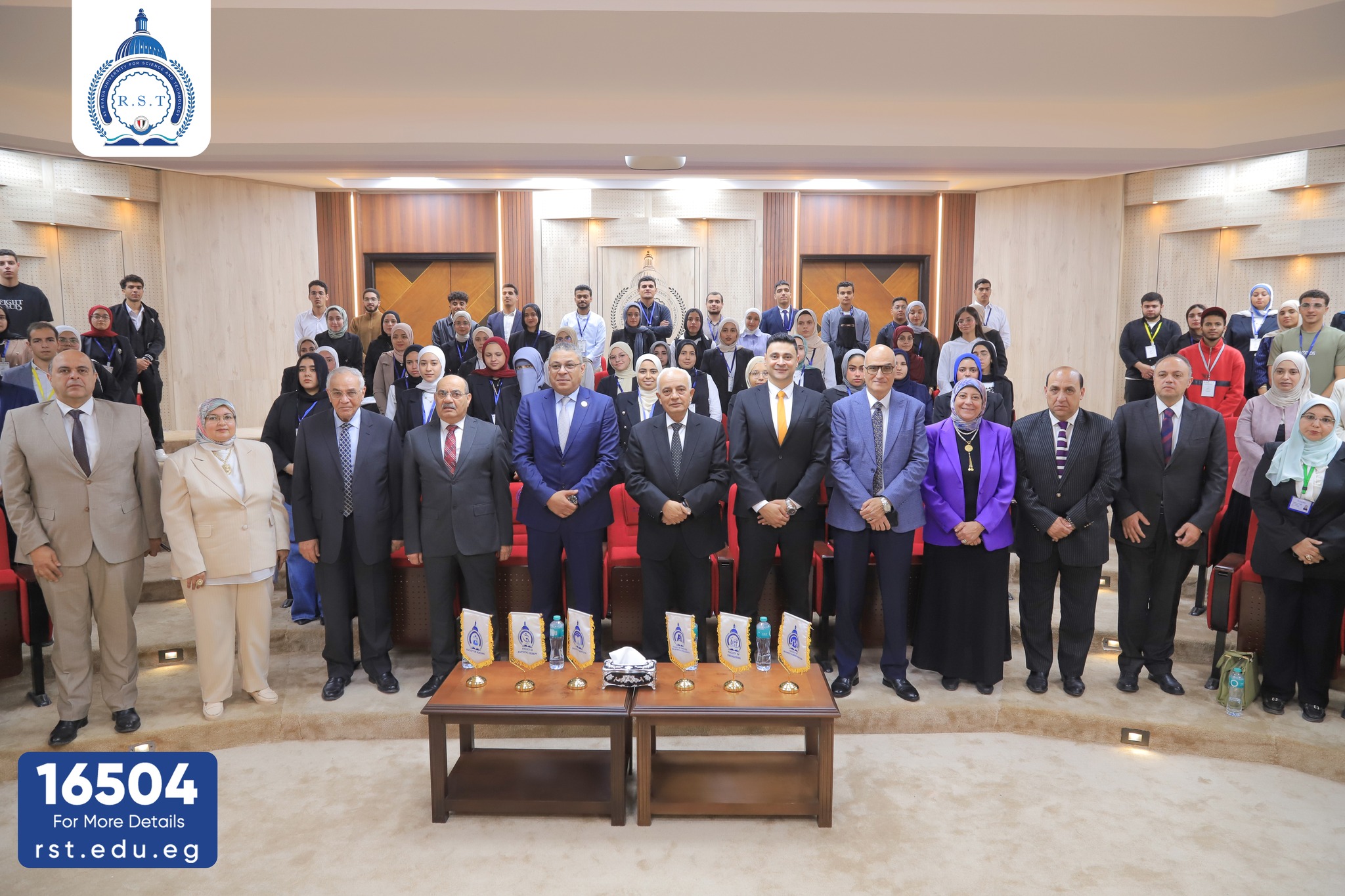
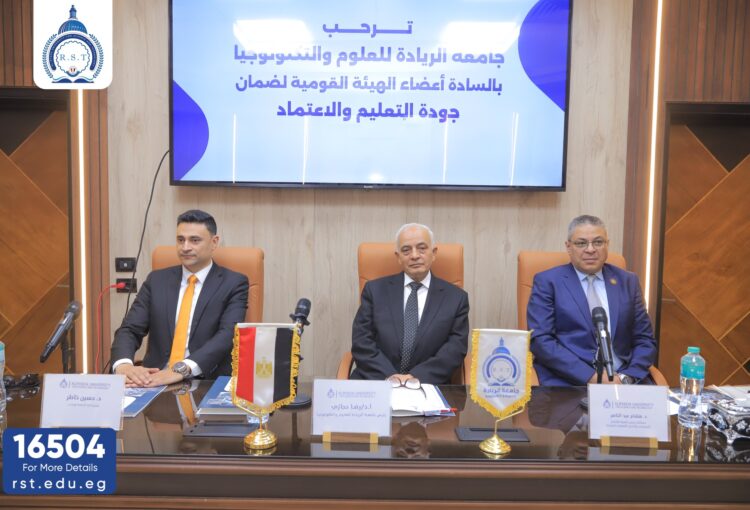
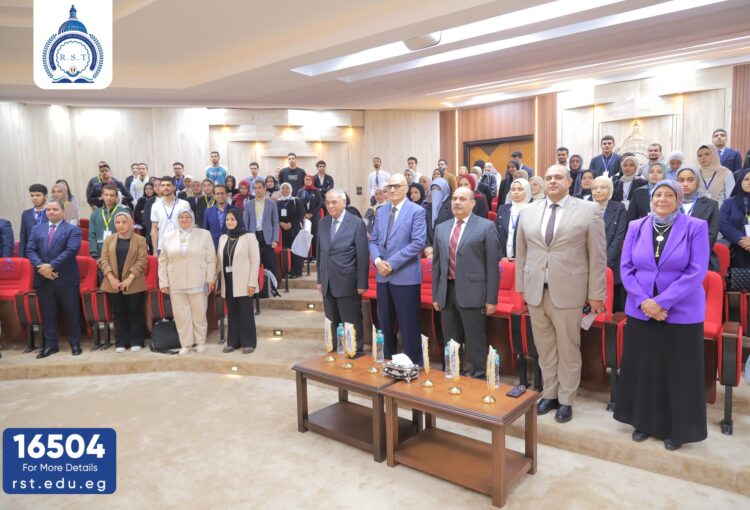
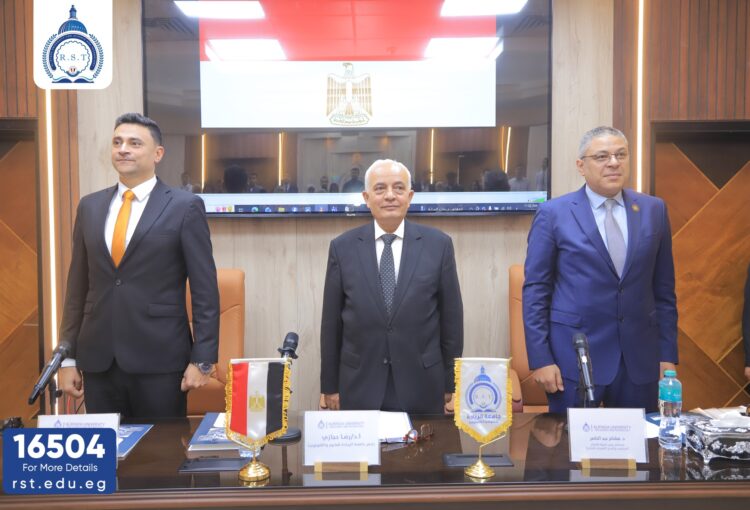
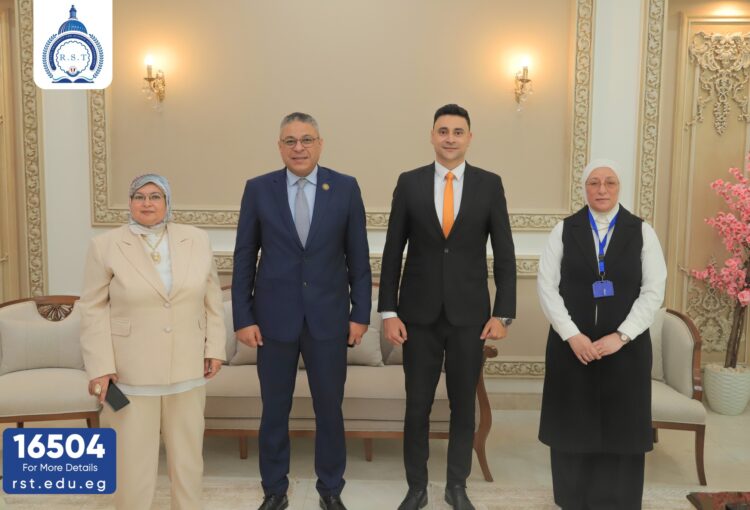
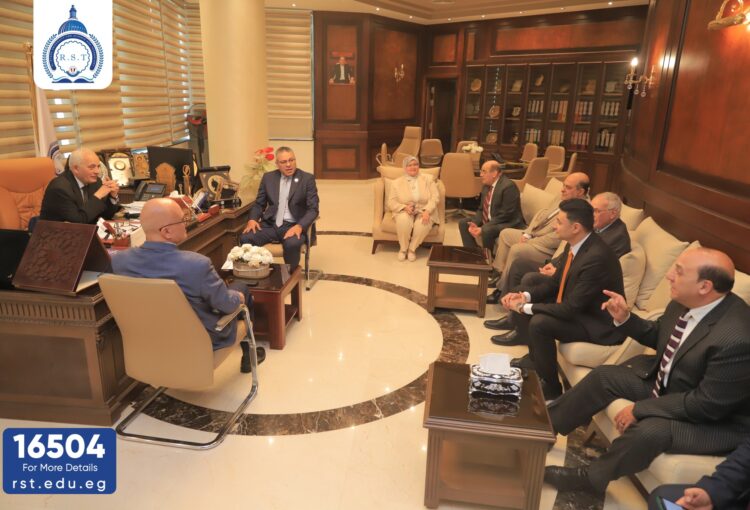
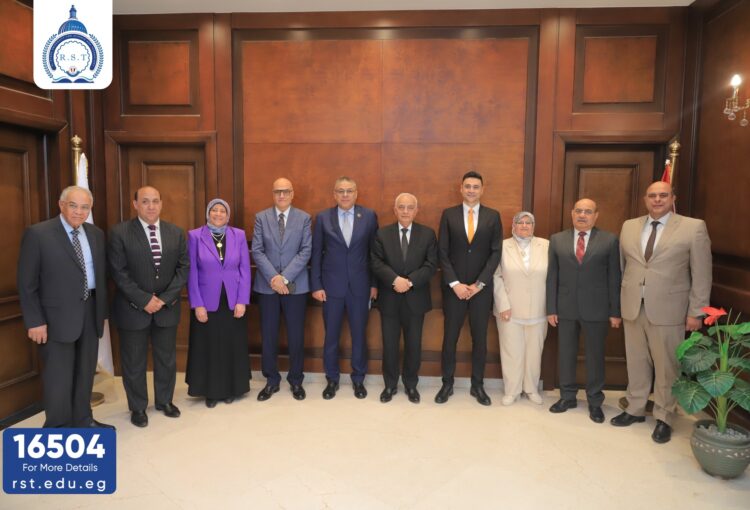
Al-Ryada University for Science and Technology hosted a workshop titled “The Role of Students in Education Quality” under the patronage of Dr. Yehia Mabrouk, Chairman of the Board of Trustees, and Prof. Dr. Reda Hegazy, President of the University. This comes as part of the university’s commitment to participating in the activities of the national initiative “A New Beginning for Ensuring Education Quality”, launched by the National Authority for Quality Assurance and Accreditation of Education. The workshop was attended by a distinguished group of academic and administrative leaders, as well as students, and was delivered by Dr. Hisham Abdel Nasser, Executive Director of the initiative and Advisor to the Authority’s President for Political Communications, and Dr. Hussein Khater, Director of the Training Department at the Authority.
In his opening remarks, Prof. Dr. Reda Hegazy emphasized that quality assurance and accreditation are no longer merely formal procedures, but have become the cornerstone of developing the university education system and ensuring sustainable institutional excellence. He explained that academic accreditation is not limited to obtaining a certificate, but requires maintaining a high level of performance while linking learning outcomes to critical thinking, teamwork, and problem-solving skills in line with global labor market demands, thereby enhancing graduates’ competitiveness.
The University President also noted that the world is witnessing rapid transformations, particularly with the growing applications of artificial intelligence, which are reshaping the nature of jobs. This necessitates preparing graduates with flexible mindsets, diverse skills, and modern tools that enable them to adapt to the evolving labor market.
He added that lifelong learning has become an essential necessity, stressing the importance of the university’s continued role in supporting its graduates after graduation and enhancing their professional and creative capabilities. He highlighted that quality assurance represents the minimum acceptable level of performance, while also opening the door for continuous improvement through self-assessment and institutional development.
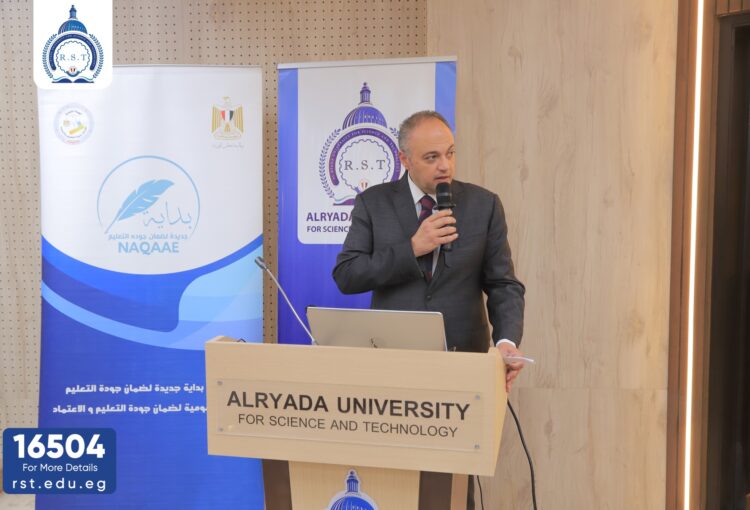
At the beginning of the workshop, Dr. Hisham Abdel Nasser, Executive Director of the initiative and Advisor to the Authority’s President for Political Communications, affirmed—during the session supervised by Prof. Dr. Naglaa Abdel Mawgoud, Dean of the Faculty of Nursing and Director of the Quality Assurance and Accreditation Center at the university—that the “A New Beginning for Ensuring Education Quality” initiative reflects the state’s direction toward achieving a qualitative leap in the higher education system. This is aimed at embedding a culture of quality as an institutional approach within universities rather than mere formal procedures, ensuring the participation of all stakeholders in achieving academic excellence and aligning education with development needs.
He pointed out that education quality represents a real investment in the nation’s future and contributes to preparing generations capable of innovation and global competitiveness. He stressed that achieving quality requires the integration of roles among students, faculty members, and administration within a framework of transparency and excellence. He also emphasized that the initiative focuses on empowering students to play a central role in developing the educational process through participation in program evaluation, proposing solutions, and contributing to shaping educational policies, thereby enhancing their leadership skills.
Prof. Dr. Naglaa Abdel Mawgoud, Dean of the Faculty of Nursing and Director of the Quality Assurance and Accreditation Center at Al-Ryada University, confirmed that organizing this student training workshop represents an important step toward embedding a culture of quality within the university. She noted that the Quality Assurance Center continuously works on improving academic and administrative performance and promoting quality awareness among students as a key priority at this stage, aiming to prepare qualified cadres capable of keeping pace with rapid developments across various fields.
She explained that achieving quality requires the integration of efforts among all components of the educational process—students, faculty members, and administration—to ensure improved educational outcomes and enhance graduates’ competitiveness. She added that the university is committed to implementing continuous development plans based on self-evaluation and periodic review, contributing to achieving and maintaining academic accreditation.