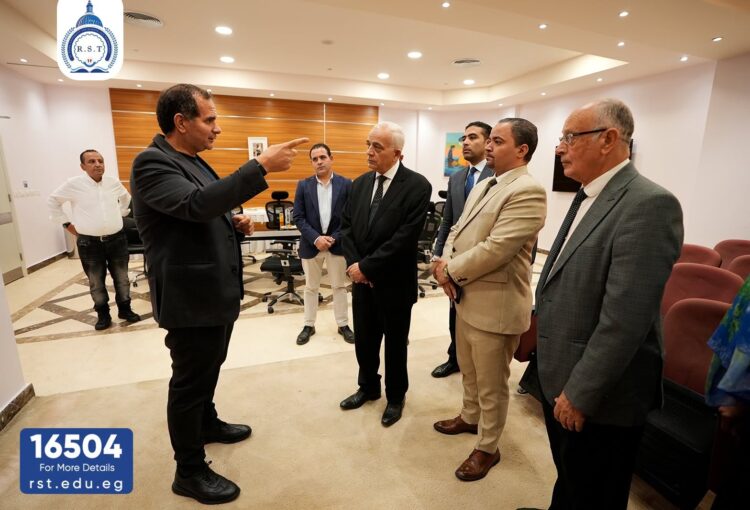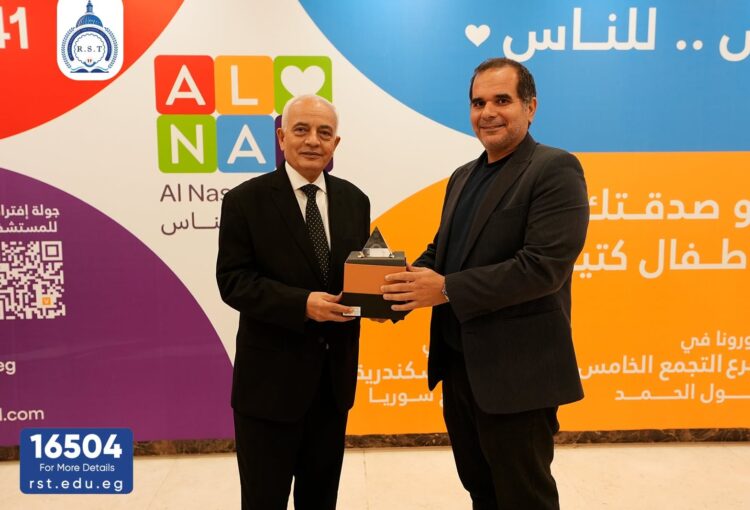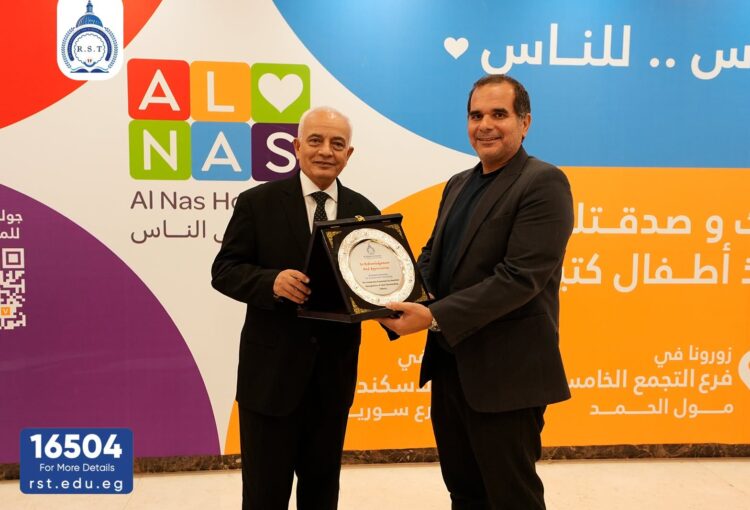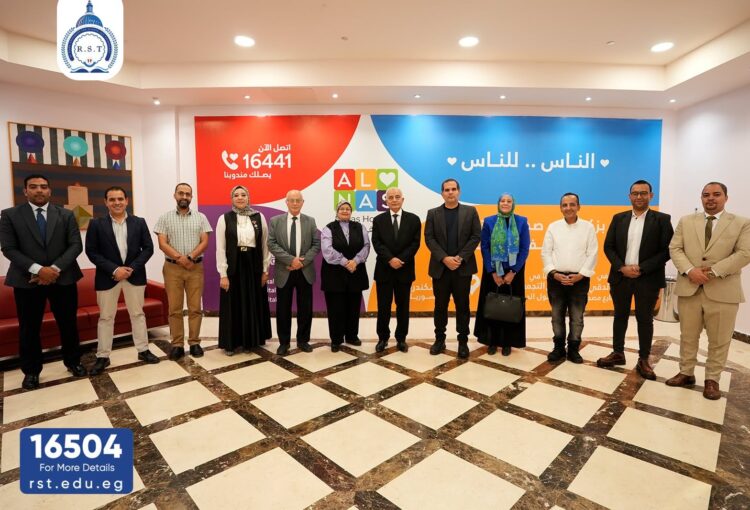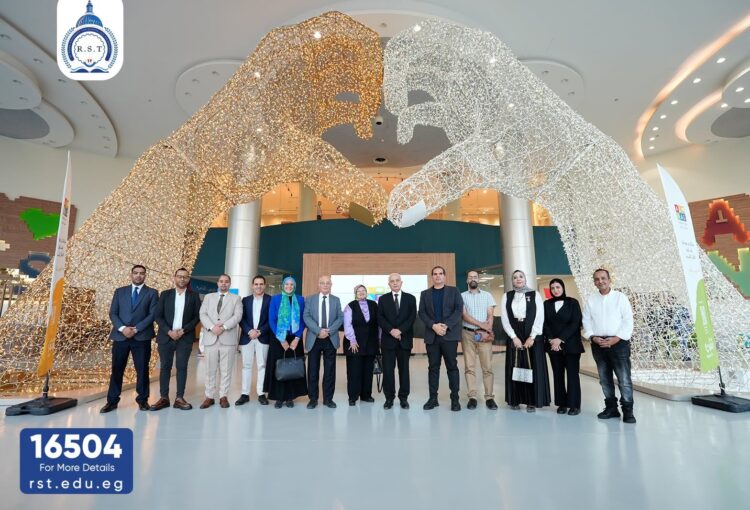















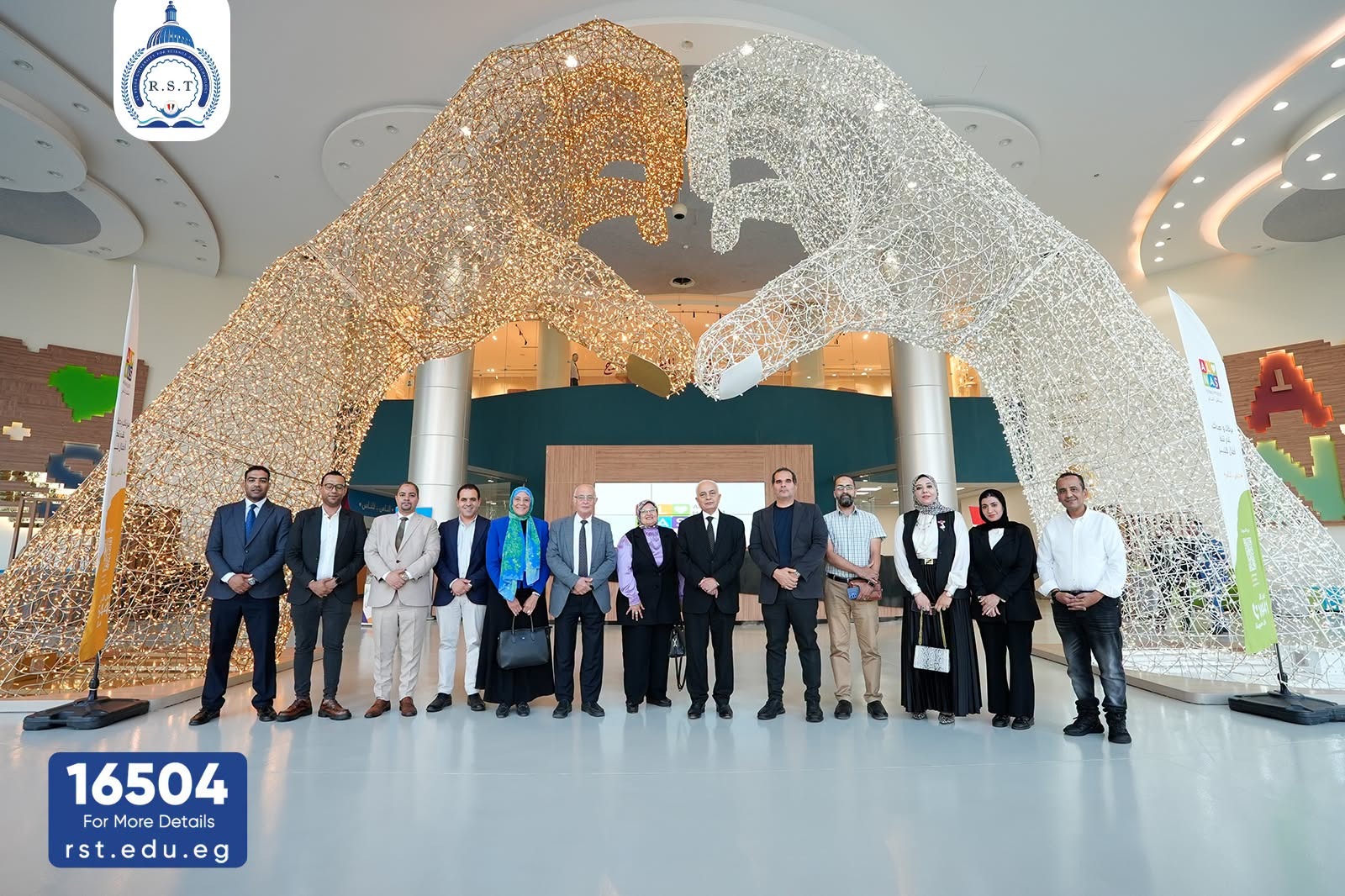
A delegation from Al Ryada University for Science & Technology (RST), headed by Prof. Dr. Reda Hegazi, President of the University and former Minister of Education, met with the leadership of El Nas Hospital to discuss activating the existing cooperation protocol aimed at training and qualifying students of medical and health sciences colleges, linking academic study with professional practice and community service. 
The delegation was received by Mr. Hatem El-Molla, Executive Director of the Hospital, and Mr. Amr Mohy El-Din, Director of Communications and Public Relations. The delegation included Prof. Dr. Naglaa Abdel-Mawgoud, Dean of the Faculty of Nursing; Prof. Dr. Nesreen Salah El-Din, Dean of the Faculty of Pharmacy; Prof. Dr. Awny Rahmy, Dean of the Faculty of Physical Therapy; and a number of faculty members.
The cooperation protocol covers the Faculties of Physical Therapy, Pharmacy, Nursing, Dentistry, and Health Sciences, supporting students’ access to the hospital’s medical facilities, advanced equipment, and specialized expertise. 
Prof. Dr. Reda Hegazi emphasized that preparing qualified healthcare graduates requires integration between scientific knowledge, practical skills, and human values. He stressed the importance of respecting patients’ dignity, adhering to high standards of quality care, and developing students’ ability to work effectively within multidisciplinary healthcare teams.
He also highlighted the University’s commitment to providing students with training experiences in real-world professional environments, enhancing the competence of its graduates and strengthening their sense of social responsibility. 
For his part, Mr. Hatem El-Molla reaffirmed the Hospital’s commitment to activating the cooperation, noting that El Nas Hospital provides free medical services in the fields of cardiology, gastroenterology, diabetes, burns, and liver transplantation, with priority given to critical cases and newborns.
He explained that the Hospital has a capacity of approximately 600 beds, around 300 of which are currently operational. It also includes 10 operating rooms, 140 intensive care units, four cardiac catheterization units, and 48 outpatient clinics.
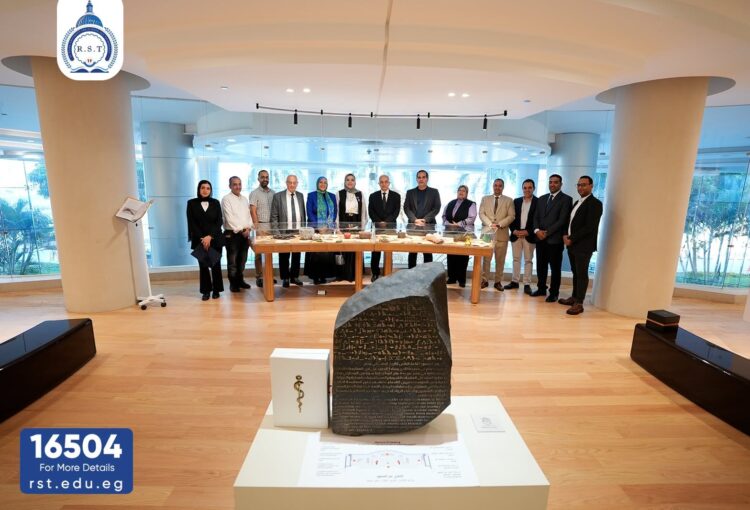
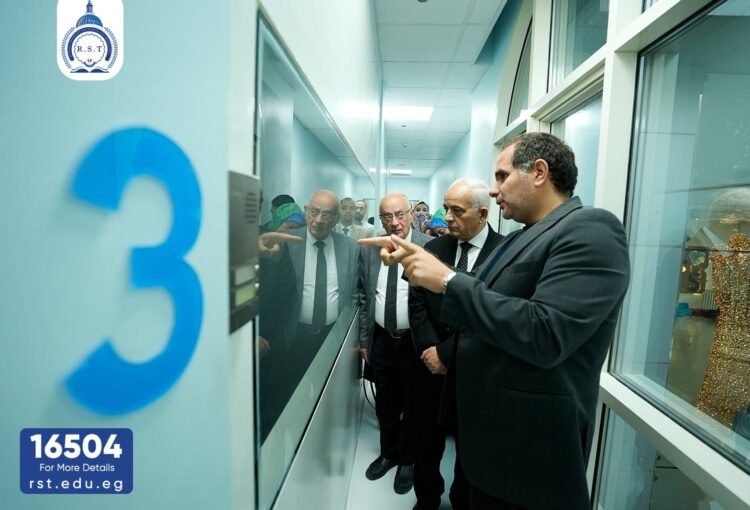
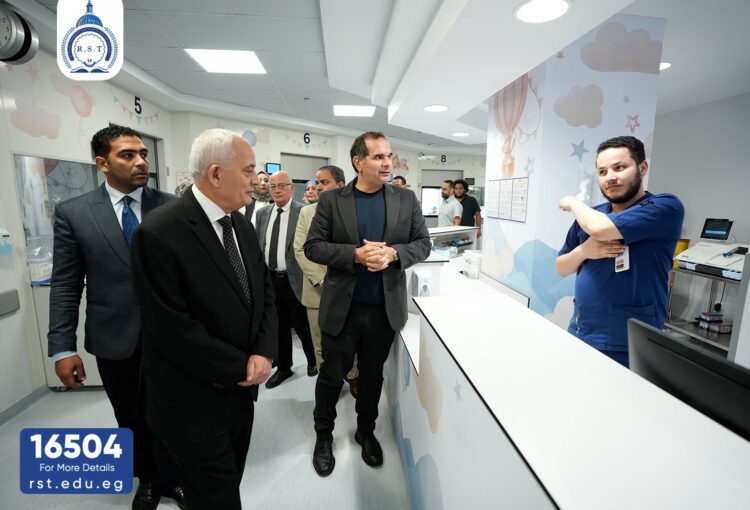
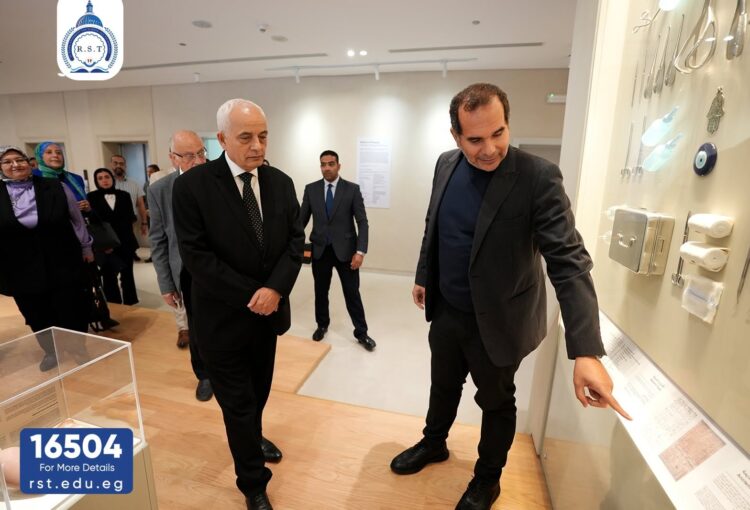
The visit included a tour of the Historical Medical Museum, laboratories, and neonatal care units, providing the delegation with an opportunity to explore the Hospital’s medical capabilities and modern technologies and their role in supporting diagnosis and treatment and improving the quality of healthcare services provided to patients.