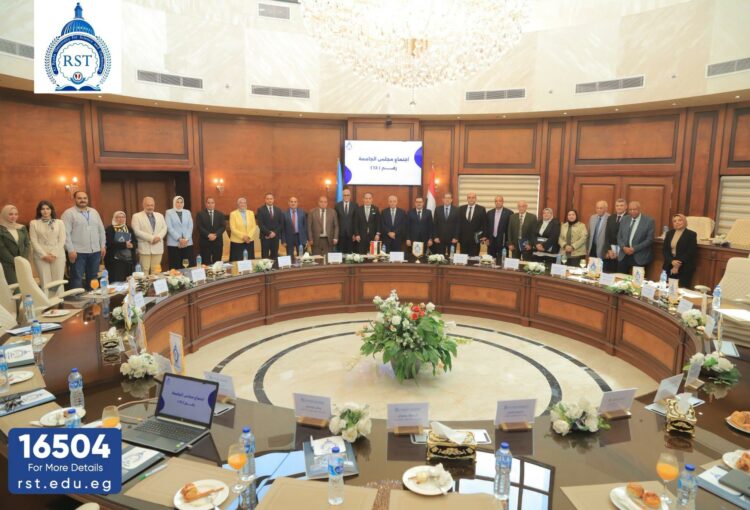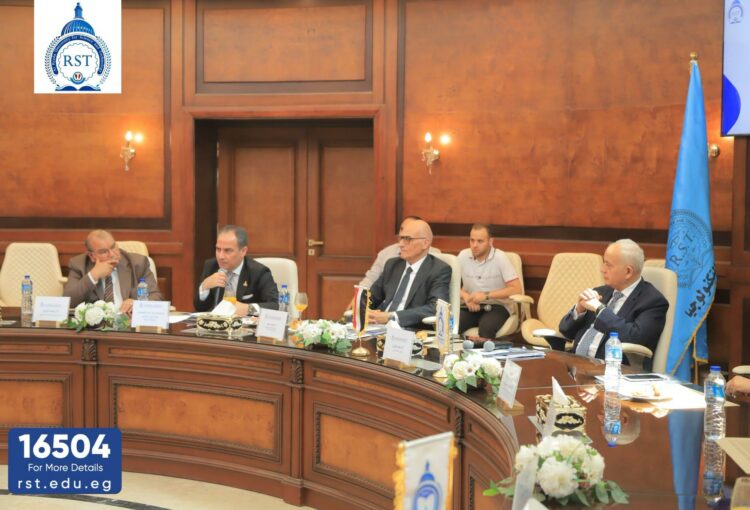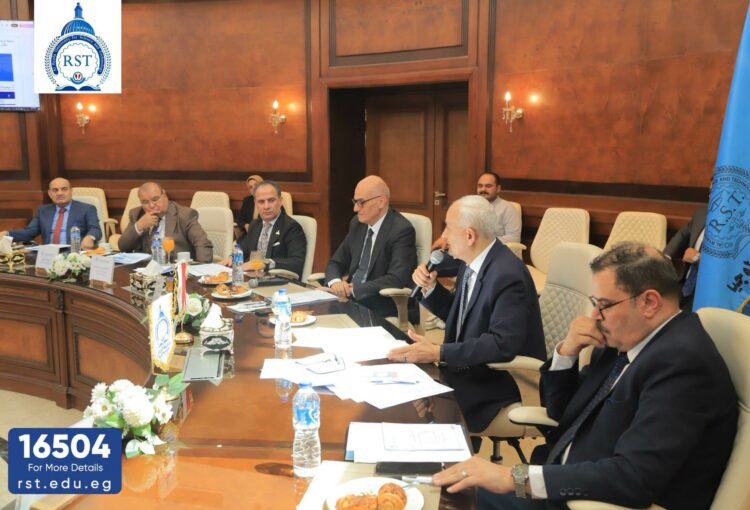
















Al Ryada University Council Discusses Preparations for the New Academic Year at Its 13th Meeting
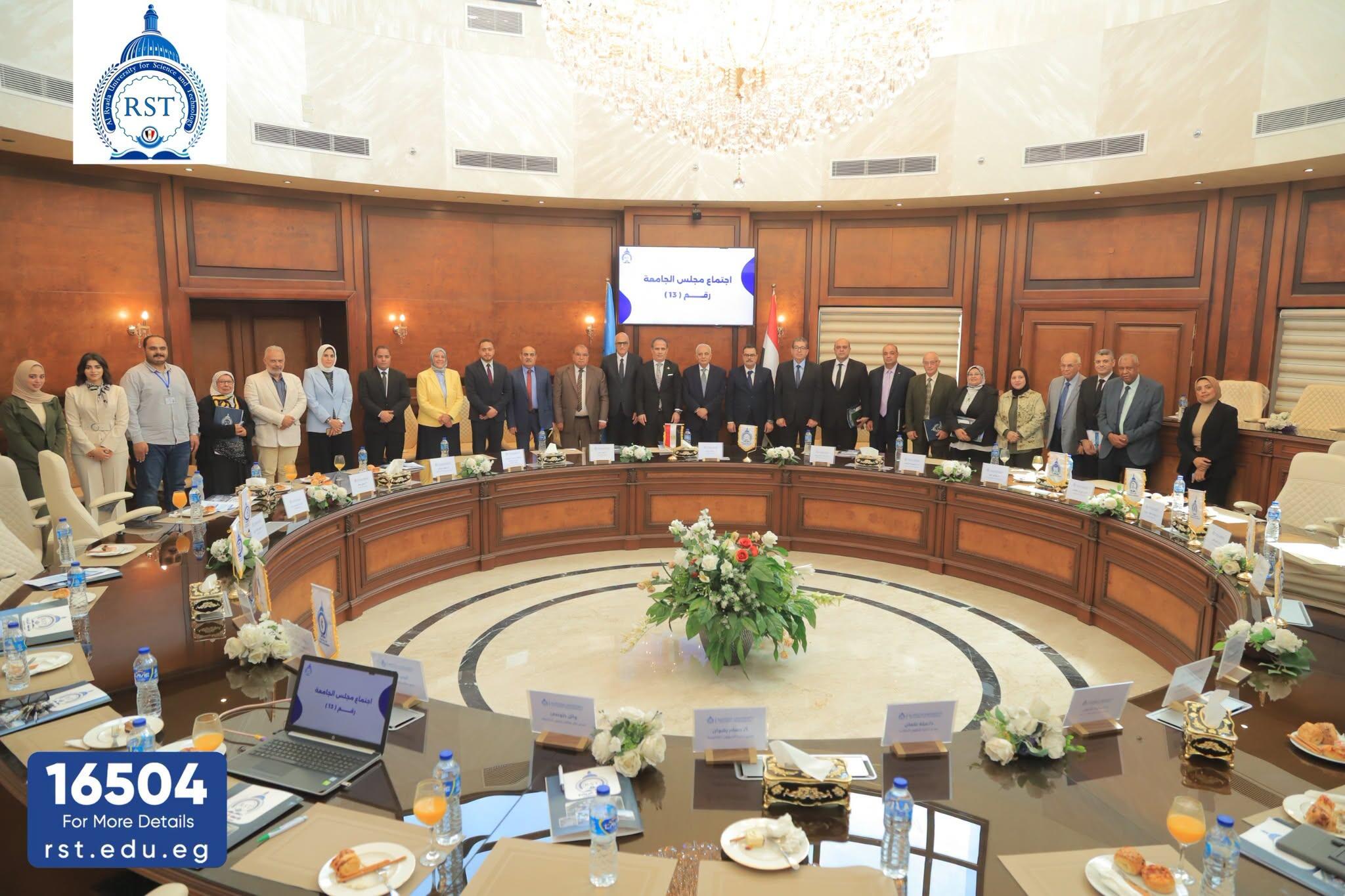
1. 13th University Council Meeting Discusses Readiness for the New Academic Year
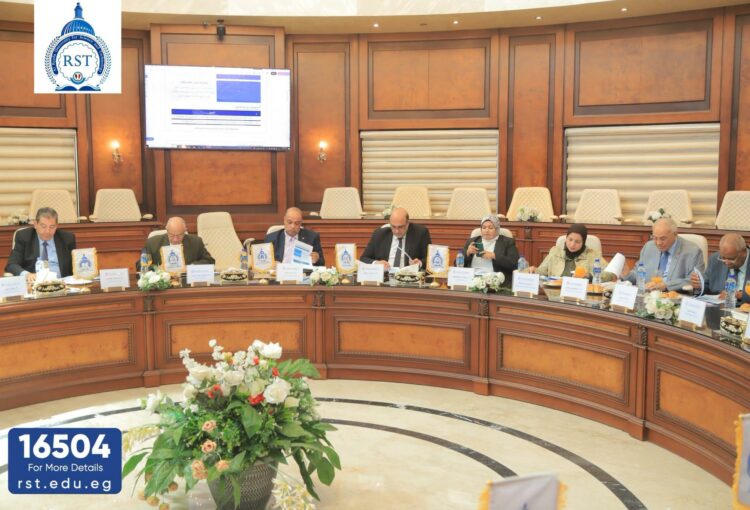
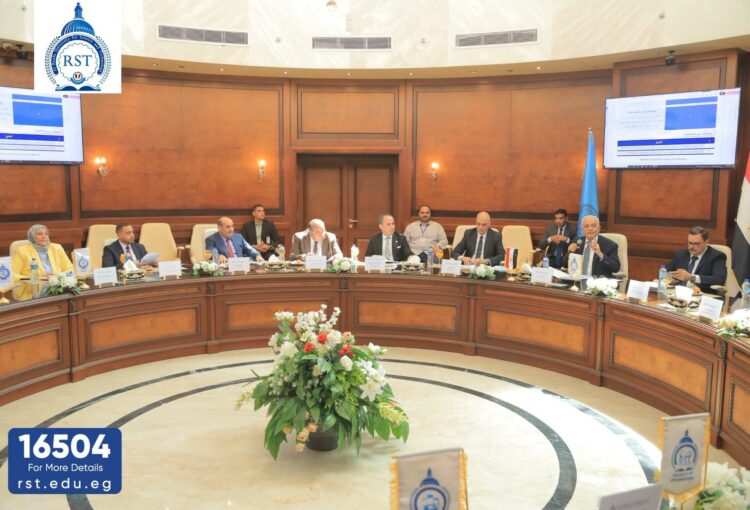
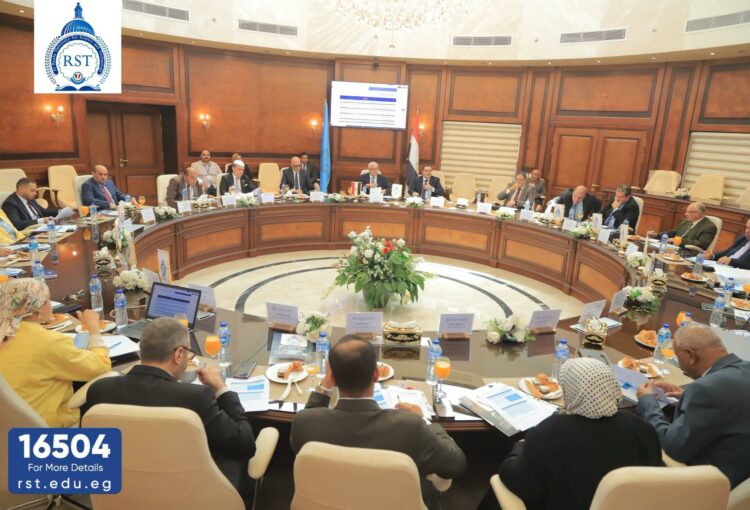
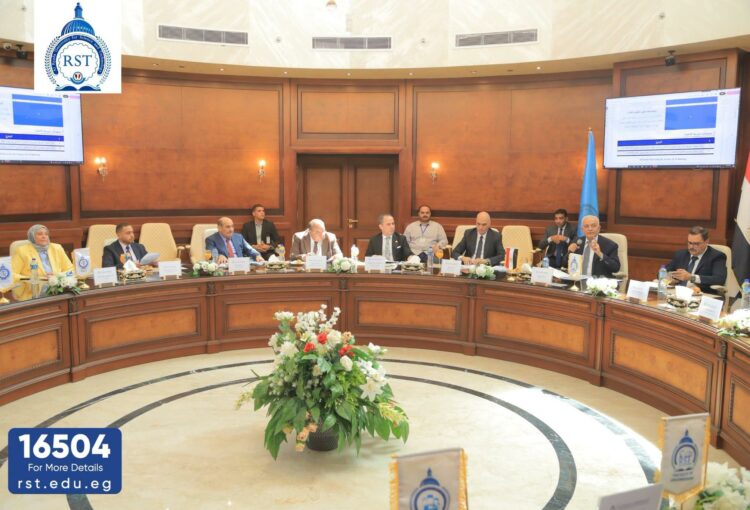
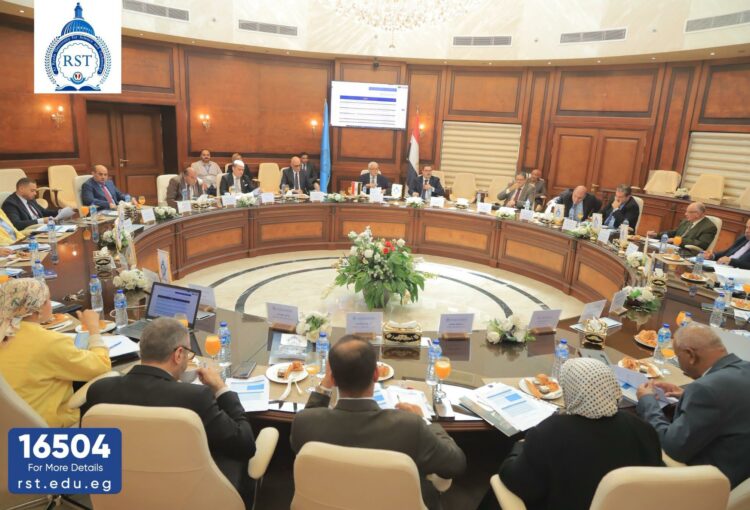
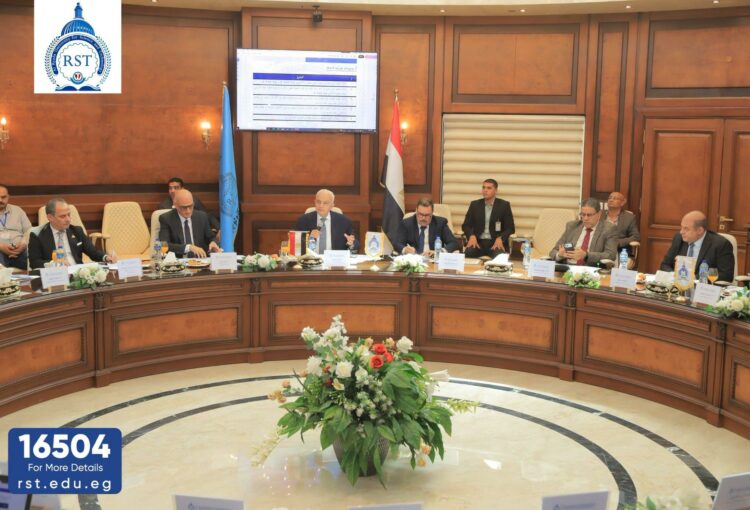
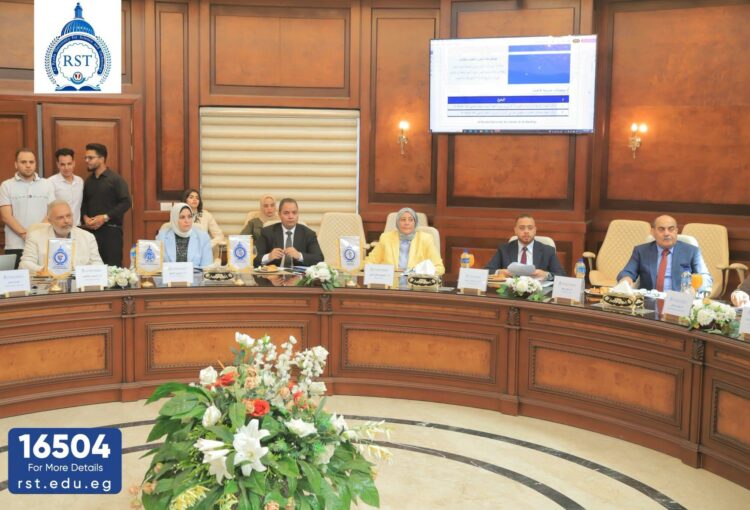
Al Ryada University Council held its 13th meeting, chaired by Prof. Dr. Reda Hegazi and guided by the directives of Dr. Yehia Mabrouk, to discuss preparations for the 2026/2027 academic year, as well as the development of education, scientific research, training, and community service. The meeting was attended by university leaders and distinguished guests, including Dr. Amr Mostafa, Undersecretary of the Ministry of Health and Population in Menoufia; Hany Antar, Undersecretary of the Ministry of Education in Menoufia; Eng. Islam Omar Mohamed El-Fishawy, Member of the Senate representing Sadat City; journalist Refaat Fayyad, Managing Editor of Akhbar El Yom; Prof. Dr. Ehab Saeed, Vice President for Graduate Studies, Research, and International Relations; Prof. Dr. Mohamed El-Sherbiny, Vice President for Education and Student Affairs; Hassan Ammar, Secretary General of the University; Abdelrahman Yehia Mabrouk, Assistant Secretary General; and the Deans of the University’s faculties.
2. Prof. Dr. Reda Hegazi: We Build People and Prepare Them to Shape Their Future
The University President emphasized that education in the age of artificial intelligence goes beyond delivering information. It focuses on developing students’ minds, awareness, and values, while fostering their ability to think, innovate, and engage in lifelong learning, and equipping them with the competencies needed to apply knowledge and shape their future.
3. Prof. Dr. Ehab Saeed: Impactful Research and Effective International Partnerships
The Vice President highlighted that approximately 75% of the University’s research output is published in journals ranked in the first and second quartiles (Q1 and Q2). He also reviewed the University’s growing presence in international rankings and its expansion of academic journals and international partnerships, supporting research, training, and knowledge exchange.
4. Prof. Dr. Mohamed El-Sherbiny: Advanced Assessment and Comprehensive Support for Student Talents
The Vice President for Education and Student Affairs emphasized the development of the assessment system and the analysis of examination results, alongside expanding sports, cultural, artistic, and awareness activities. He also highlighted efforts to identify talents, develop students’ skills, and strengthen their self-confidence.
5. Journalist Refaat Fayyad: Dialogue Builds Awareness and Research Addresses Industrial Challenges
The Managing Editor of Akhbar El Yom stressed the importance of organizing seminars that address young people’s questions through dialogue and constructive discussion. He also called for directing research and postgraduate theses toward real-world industrial challenges and developing practical, applicable solutions.
6. Eng. Islam El-Fishawy: University–Industry Integration Supports Production
The Member of the Senate noted that the diverse industrial base in Sadat City provides broad opportunities for practical training and applied research. He expressed his readiness to support communication with local factories to identify their needs and transform knowledge into tangible economic and developmental outcomes.
7. Al Ryada University: Innovation, Startups, and Patents
The discussions addressed supporting innovation and student projects, as well as mechanisms for transforming knowledge into economic value. These included university spin-off companies, patent commercialization, and cooperation with investors, strengthening the University’s role in sustainable development.
8. Global Partnerships Open New Training Opportunities for Students
The Council reviewed the continuation of the University’s membership in Tokyo’s Innovation Park, along with efforts to establish partnerships with American, European, and Asian universities. These partnerships aim to provide joint academic programs and summer training camps that equip students with valuable experience and enhance their employment prospects.
9. Faculty Deans: Applied Programs Aligned with Labor Market Needs
The Deans presented plans to develop academic programs in the fields of arts and design, health sciences, pharmacy, business administration, computer science, and engineering, with a focus on interdisciplinary programs, digital skills, practical training, and aligning academic study with the needs of institutions and industries.
10. Continuous Quality Development and Expanded Health and Community Services
Priorities included developing question banks, implementing electronic assessment and grading, and enhancing faculty members’ professional capabilities. The University is also preparing for the phased operation of the Dental Hospital and expanding community outreach initiatives and healthcare services, with student participation under specialized supervision.