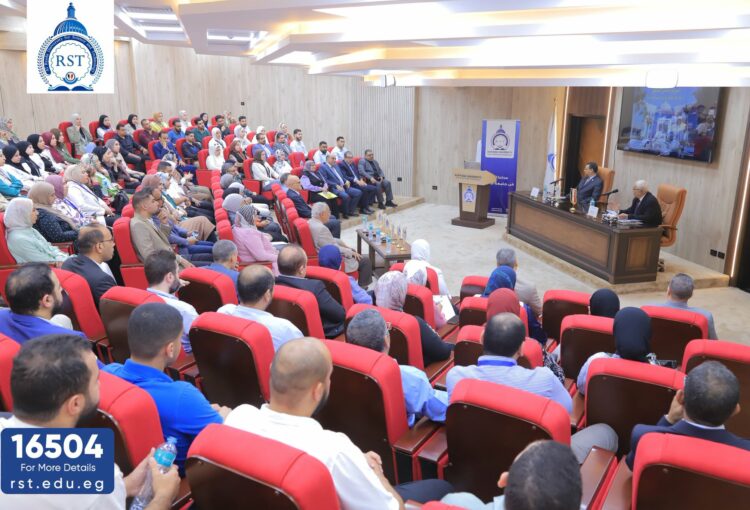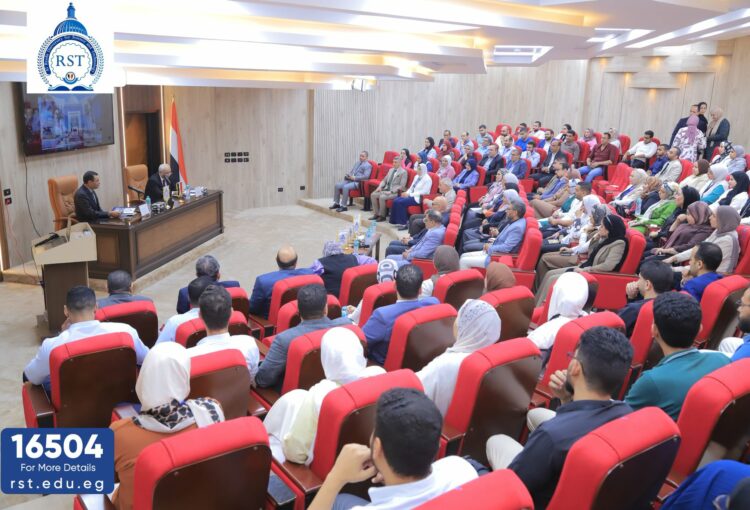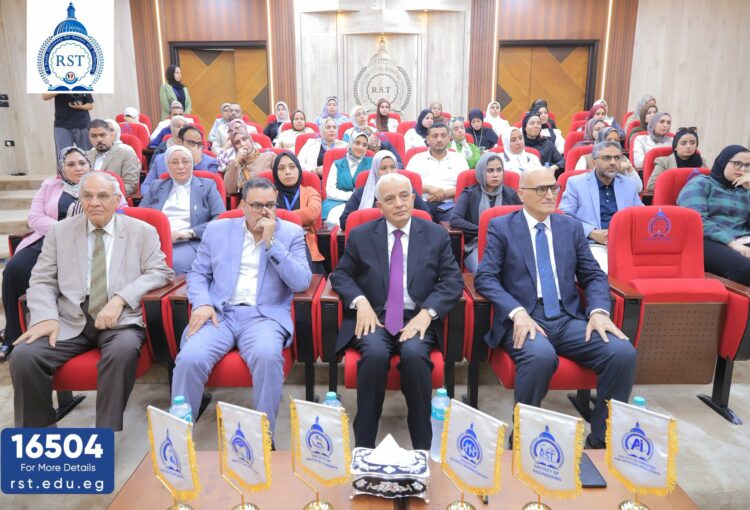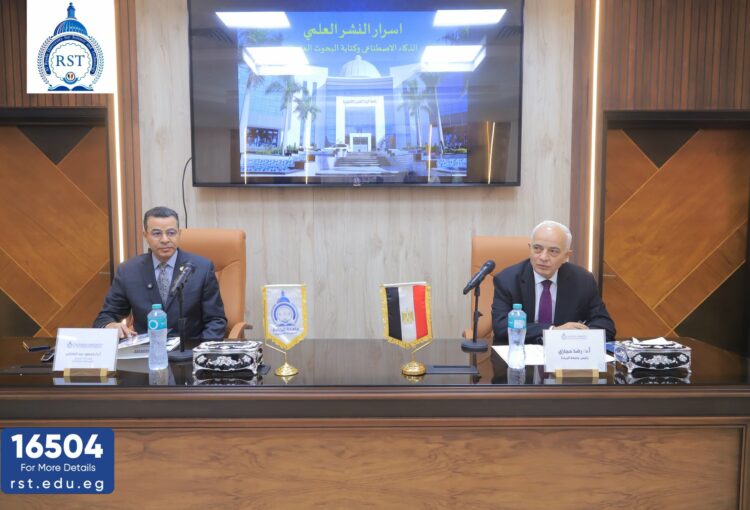















Al-Ryada University Explores Artificial Intelligence Tools and Applications in a Scientific Seminar
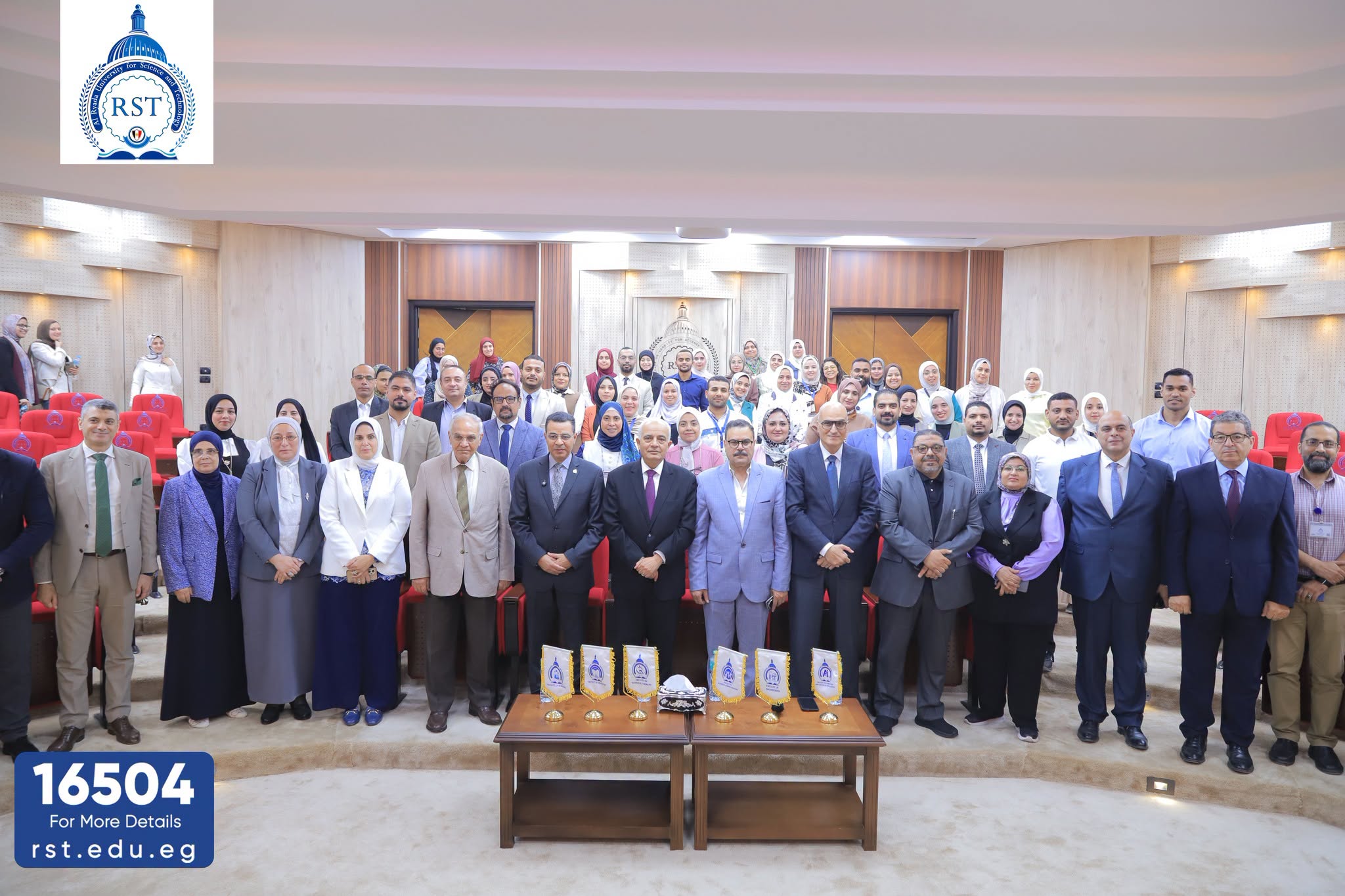
As part of Al-Ryada University for Science and Technology (RST)’s vision to foster a culture of innovation in line with the latest international best practices and to enhance the capabilities of faculty members and teaching assistants in modern teaching methods and scientific research, under the patronage of Dr. Yehia Mabrouk, Chairman of the Board of Trustees, and Prof. Dr. Reda Hegazy, President of the University, the Faculty Development Center organized a scientific seminar entitled “Artificial Intelligence Tools and Applications in Scientific Research.”
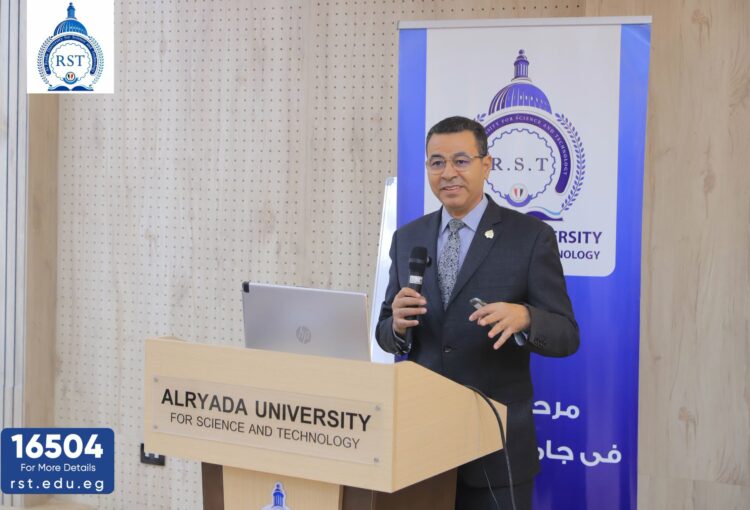
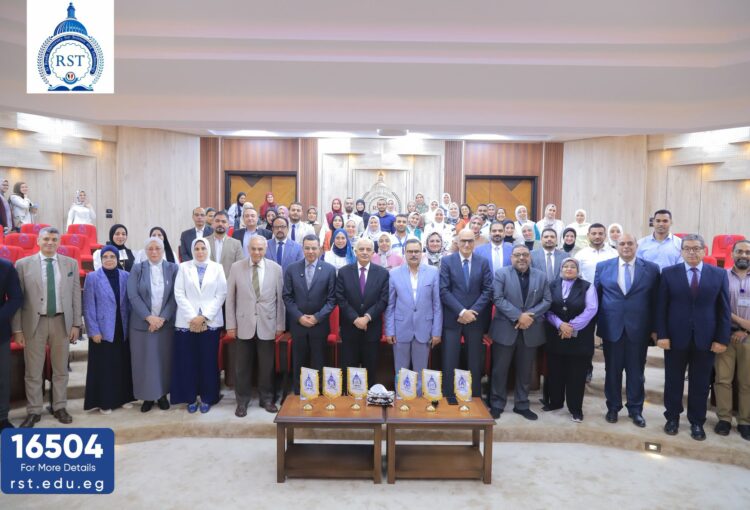
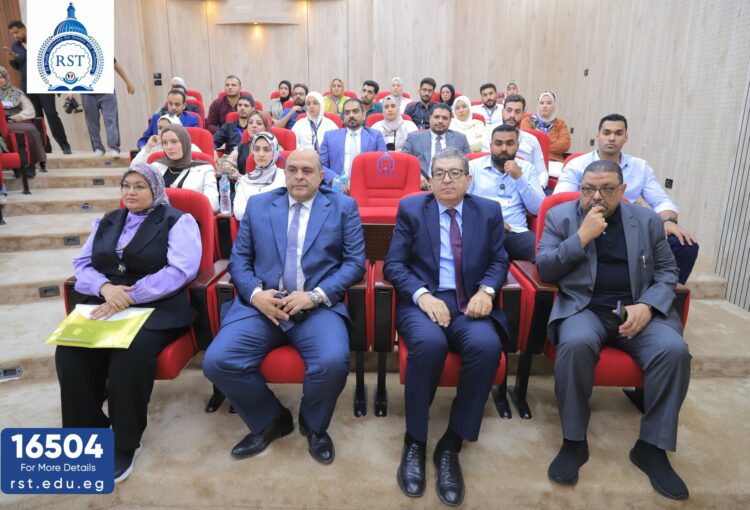
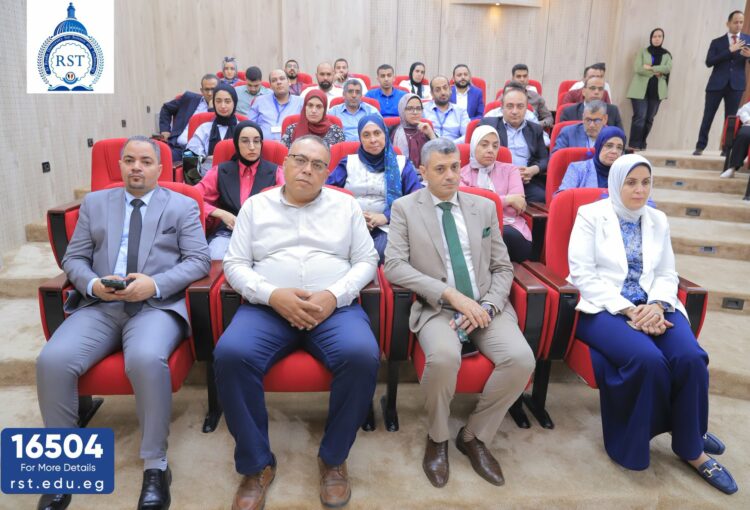
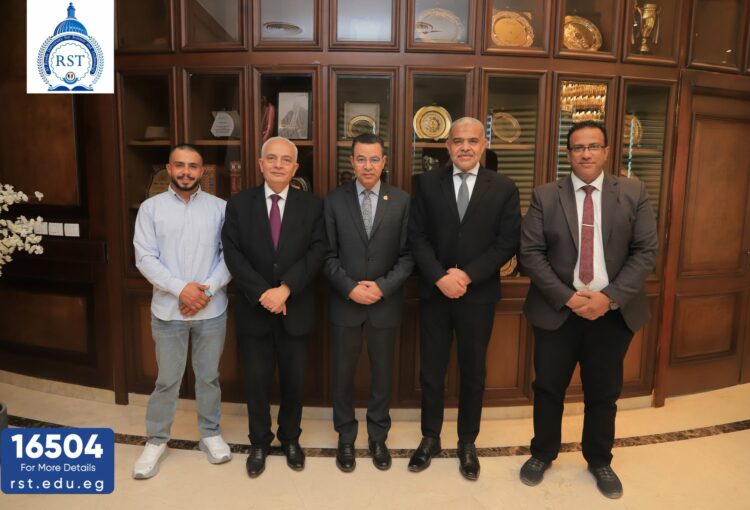
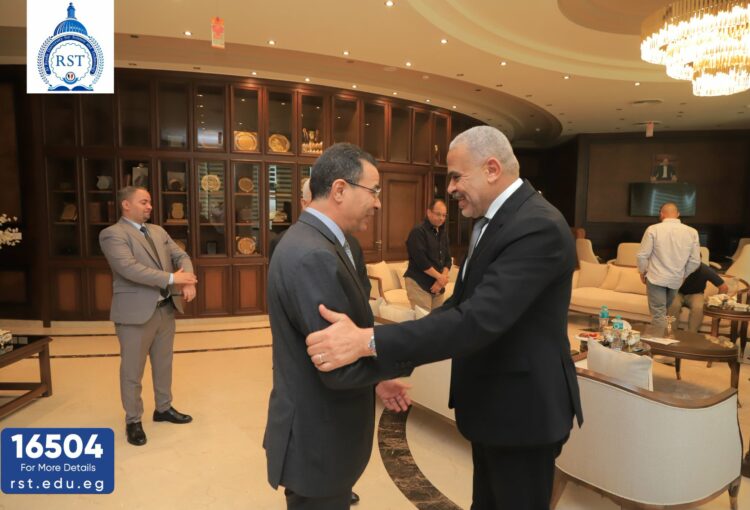
The seminar was delivered by Prof. Dr. Mahmoud Abdel-Aty, Chairman of the National Committee for Artificial Intelligence Sciences, and was attended by Prof. Dr. Reda Hegazy, President of the University; Prof. Dr. Ihab Saeed, Vice President for Graduate Studies and Research; Prof. Dr. Mohamed El-Sherbiny, Vice President for Education and Student Affairs; along with the deans of the University’s faculties, faculty members, and teaching assistants.
In his opening remarks, Prof. Dr. Reda Hegazy, President of Al-Ryada University and former Minister of Education, emphasized that modern universities are no longer limited to the transfer of knowledge but have become active institutions that generate, develop, and apply knowledge to serve society. He stressed the importance of directing scientific research toward providing innovative solutions to economic and developmental challenges, as well as advancing disease diagnosis and treatment through applied research based on modern technologies and artificial intelligence.
For his part, Prof. Dr. Mahmoud Abdel-Aty, Chairman of the National Committee for Artificial Intelligence Sciences and President of the Arab Impact Factor at the Association of Arab Universities, reviewed the latest applications of artificial intelligence in supporting scientific research. He explained how AI technologies assist researchers in data analysis, reference management, result extraction, and improving the quality of research outputs, thereby enhancing the overall efficiency of the research process.
He further emphasized that artificial intelligence is a tool that supports researchers rather than replacing human intellect. He noted that the effective use of AI technologies requires full adherence to the principles of academic integrity and research ethics, including transparent disclosure of AI tools used in the preparation or publication of scientific research. Such practices, he explained, strengthen the credibility of research findings and reinforce the standards of rigorous scientific research.